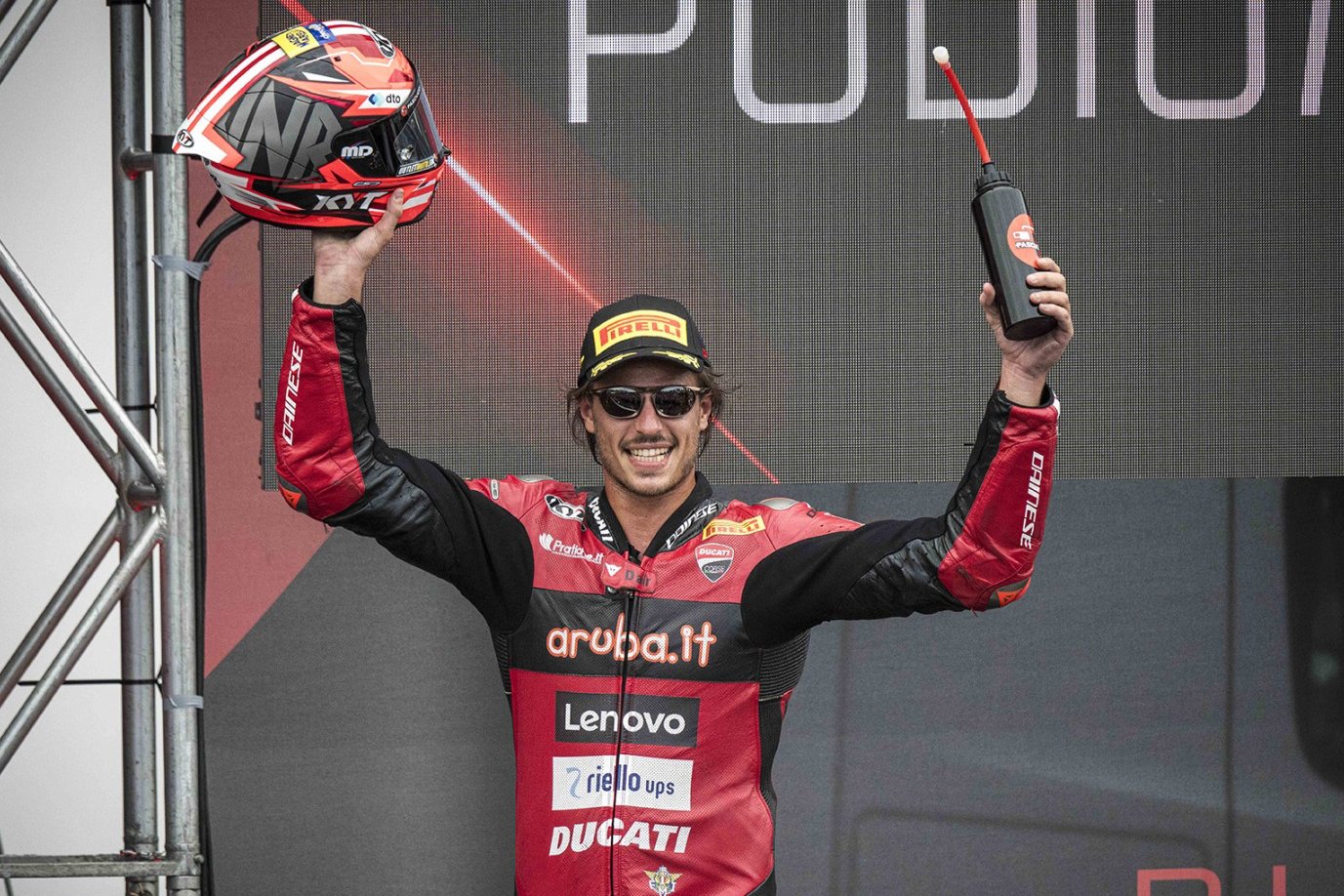
Arnaud Vincent: A World Champion with an atypical career (Part 2)
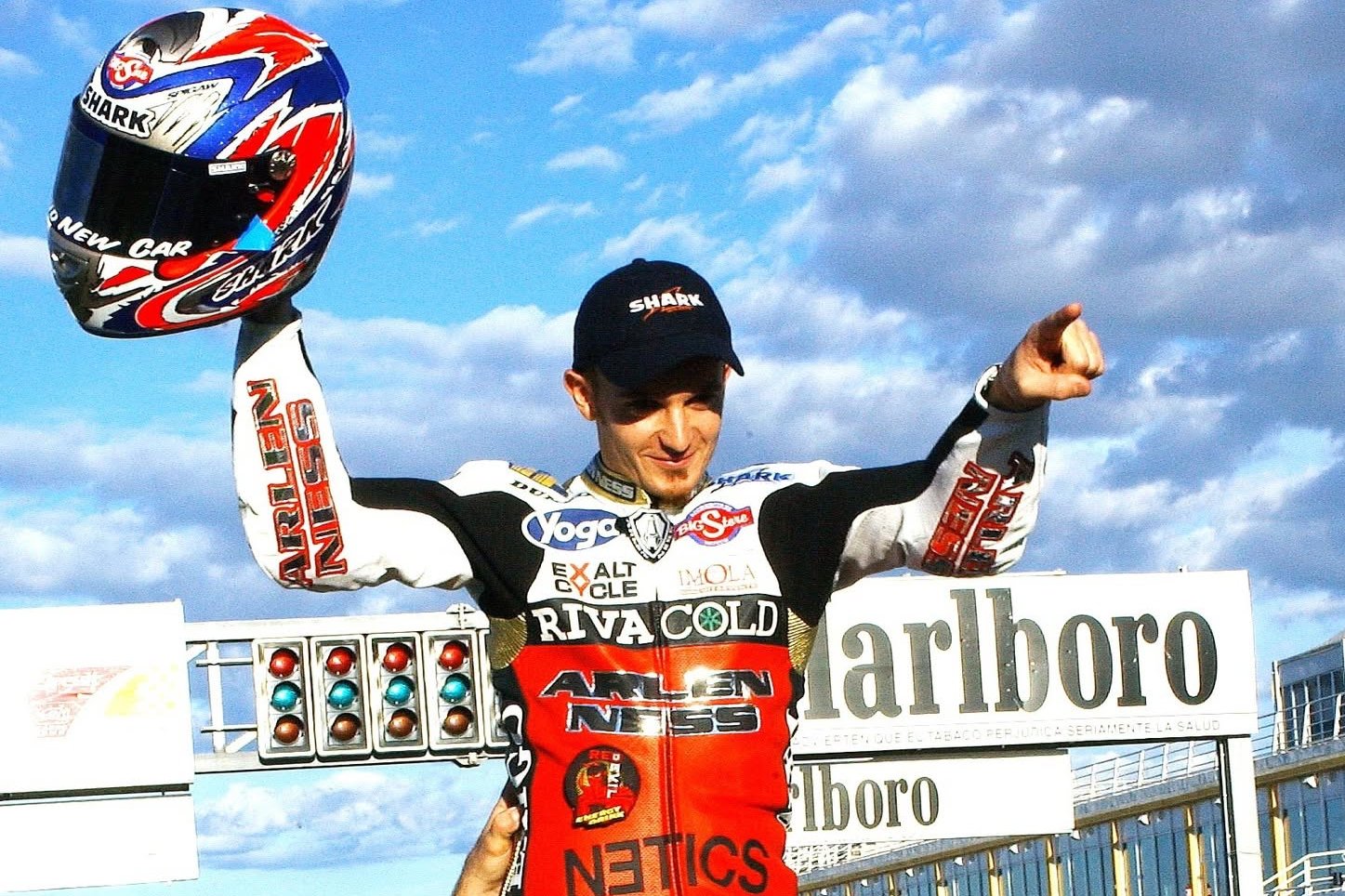
A career that began when he was already 20 years old, but still led him to become the 2002 125cc World Champion and to spend nine seasons in the Grand Prix paddock. If you want to know some kind of unconventional career in motorcycle racing, a perfect example is brought by Arnaud Vincent.
In Part 1 we talked about the early stages of his career, the title he won in 2002 and the struggles he faced in 2003. In the second part on the interview, instead, we focused on his seasons in the 250cc World Championship, the end of his racing career, and what he is doing today. Moreover, Vincent also shared some thoughts on the current state of Grand Prix racing.
Arnaud, what do you remember about your seasons in the 250cc class?
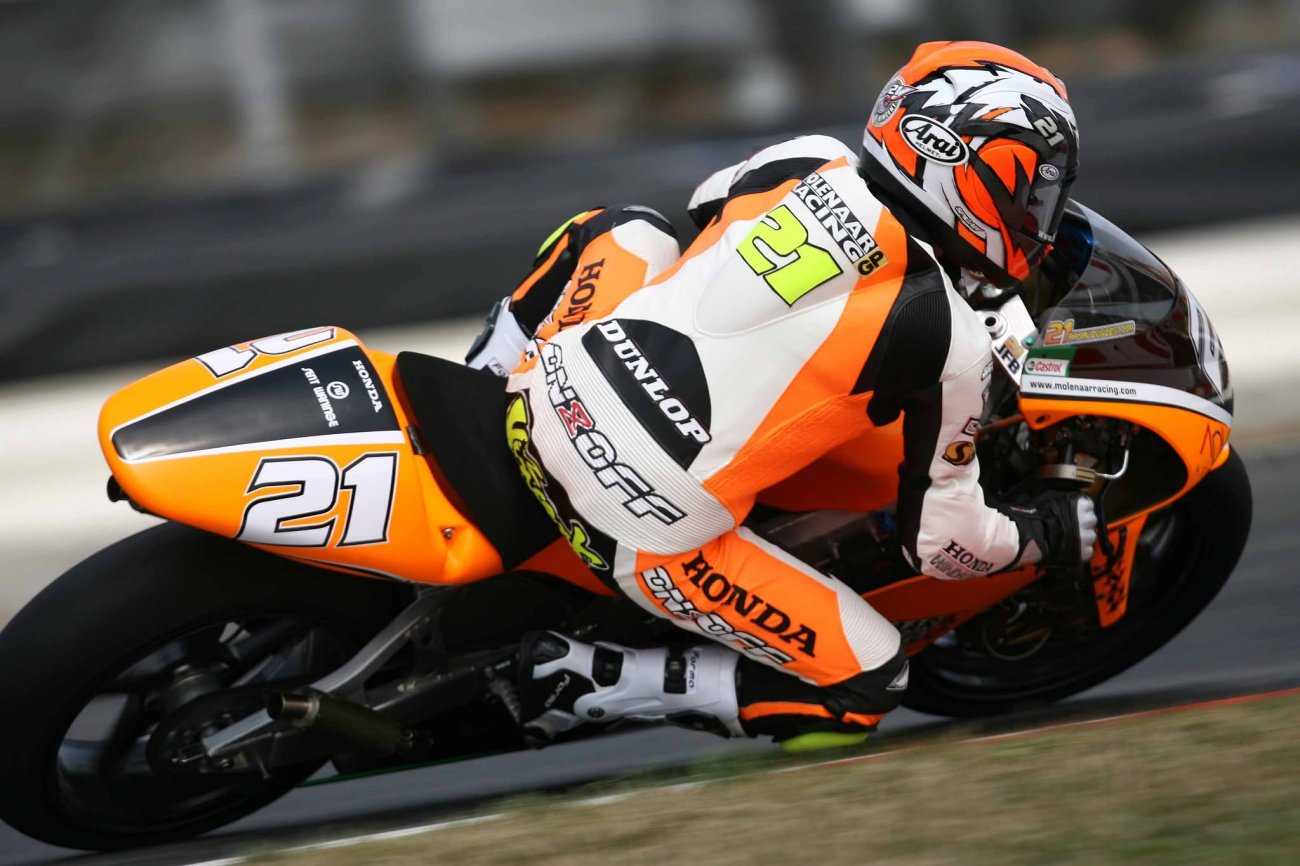
They were still great years, because the 250cc is the best bike I have ever ridden. It was light, very powerful, and incredibly fun to ride. It had much more power than the 125cc, while still being lightweight and very agile. The problem was that, during the seasons I spent there, I never had a factory bike. I always raced with private teams, and that prevented me from fighting for victories (he raced with Equipe de France in 2004, Fantic Racing in 2005 and Molenaar Racing in 2006, ed).
Take Manuel Poggiali as an example. When I won the 125cc World Championship, he finished second. The following year, he got a factory Aprilia and became immediately a 250cc World Champion. It was difficult for me, because I always wondered what I could have achieved in such conditions. Not being able to ride a factory 250cc is the biggest regret of my career.
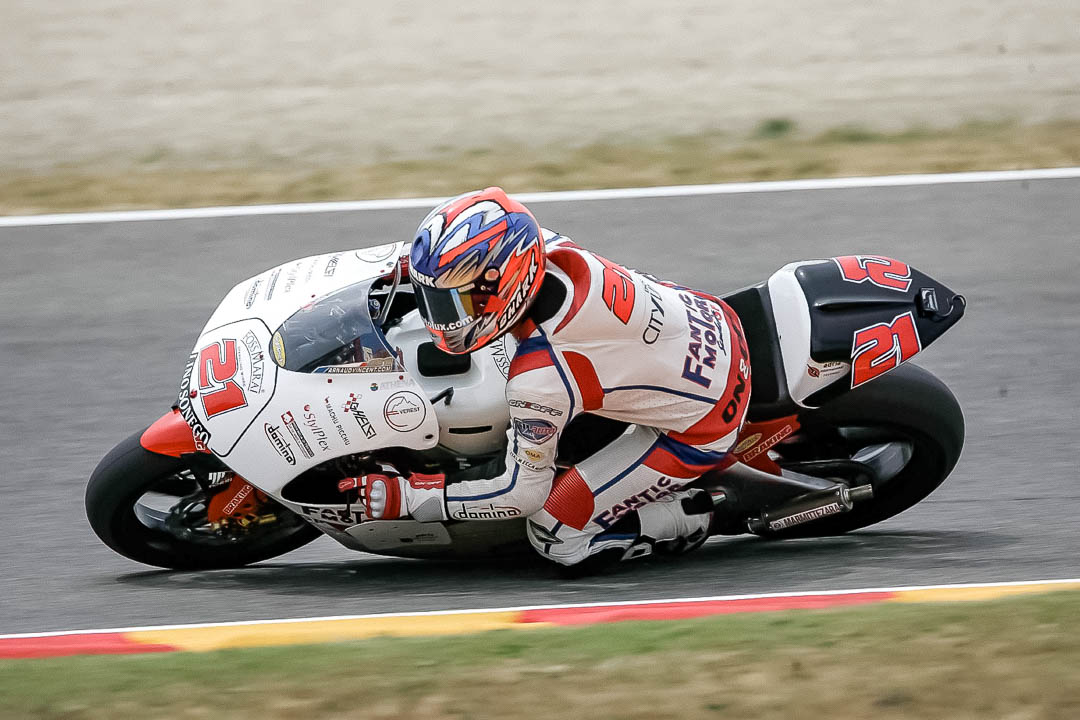
In 2005 you raced with Fantic, and were part of its only season in 250cc. What can you say about that experience?
It was a very unusual season. Once again, same as in KTM, the project had been planned over two years: 2005 to develop the bike and 2006 to achieve results. Unfortunately, right from the beginning the bike kept breaking. The engine seized all the time in our testing sessions, and we experienced 46 (!) engine failures during the season. We basically had technical issues in every test session.
It was very frustrating, because by the end of the year I had made few kilometres and my riding had got a little worse. When you are developing a project under such conditions, it becomes extremely difficult to stay competitive. At the end of the season, the project was shut down: the person who funded the team said that too much money had been spent, and decided to stop.
Then in 2006 came your final year in the 250 World Championship, marking the end of your Grand Prix career.
I ended my Grand Prix career at the age of 31. At that point, I knew it would be impossible to get a factory bike in the 250cc class, so I wanted to move to the Supersport World Championship, thinking that I could finally get what I needed to be in the front again. I did a few races in WorldSSP, but unfortunately I could not find the budget to stay there. In 2007 I competed in the French Supersport Championship, but I did not enjoy it very much. I realized that I didn’t like those bikes as much as the 250cc. The 600cc is production based and, for my riding style, it didn’t give me the same feeling as a true Grand Prix bike. Therefore, after a while, I decided to stop and end my racing career.
What did you do after retiring?
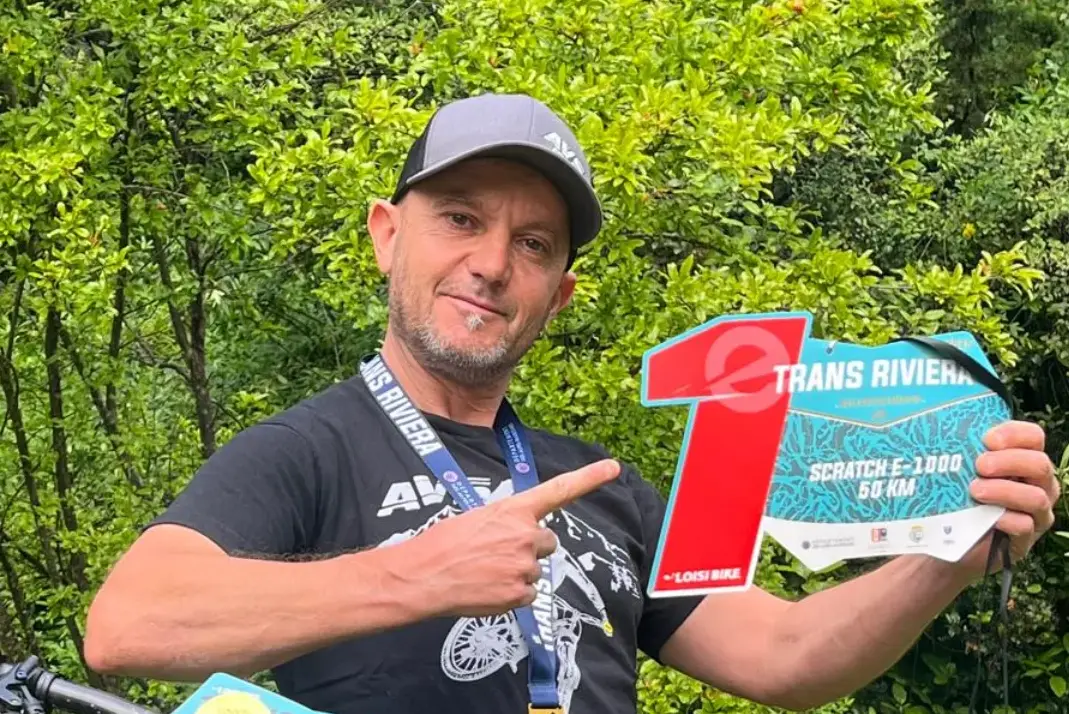
For a couple of years I did different jobs. I worked with BMW, then Ducati, and later I founded a company that manufactures components for mountain bikes. That’s still my main job today.
Why did you enjoy the 250cc so much? Was there something special about it compared to the 125cc?
The 250cc had a very stiff chassis and an engine twice more powerful than the 125cc. It was more fun to ride, since it was faster and still weighed less than 100 kilograms. It was nothing like a production based Supersport, which weighs over 150 kilograms. It was a true Grand Prix bike: stiff, powerful, incredibly fast through the corners, extremely competitive.
You still race from time to time, though.
I started riding again towards the end of 2025, after stopping in 2009. It was my friend Soheil Ayari who convinced me. He kept telling me to come back to the track and have fun with him. At first I always said no, because it had been fifteen years since the last time. However, he insisted so much that I ended up buying a small bike similar to a Moto3, a BeOn 450. I could gradually re-adapt, and that allowed me to prepare before getting back on my 250cc and returning racing in the KlassGP series.
When you look at Grand Prix racing today and compare it with your era, what do you think?
The bikes are completely different now. MotoGP has so much aerodynamics and electronics. As for Moto3, I think they are very interesting to ride. They have more powerful engines than the old 125cc machines and, above all, much more torque. Having a similar bike myself, I actually think a Moto3 is even more fun to ride than a 125cc. In any case, since I am no longer part of the paddock, I think it’s difficult to have a truly “complete” opinion.
Do you still follow Grand Prix racing as a spectator?
Lately I have started watching a few races again. Compared to my time, it has changed enormously. Today I see riders being much more aggressive with each other. They make contact all the time and collisions are frequent. From a spectator's point of view it might be entertaining, but personally I don’t like it. I feel there’s less respect among the riders. Seeing everyone constantly bumping into each other is, in my opinion, a negative thing.
Is there a bike or a class you never had the chance to ride, but always wanted to?
Definitely the 500cc two stroke motorbike. It was always my dream. In 2025 I finally got the chance to ride a Suter 500 machine, and it was an incredible experience. I love two stroke engines and, to me, the 500 represents the highest expression of that philosophy. The last 500cc machines before MotoGP came are, in my opinion, the greatest motorcycles ever built.
Moving to another aspect of your racing career: how did your family react when you decided to start racing motorcycles? Did they support you or were they against it?
They never pushed me, but they never held me back either. They always told me to do whatever made me happy. They would say, "If you can do what you love, then do it. Live your life." That’s exactly what I did, and I ended up having a career I didn’t expect and I can be proud of.
Finally, is there anyone you would like to thank?
Yes. I would like to thank everyone who worked with me, the people who taught me how to ride and develop the bike, and of course my family. They all played an important role in the journey to becoming a World Champion.
Palmen in Motorradsport is more than grateful to Arnaud Vincent for his time, and wishes him all the best for any present and future challenges, on and off the track.