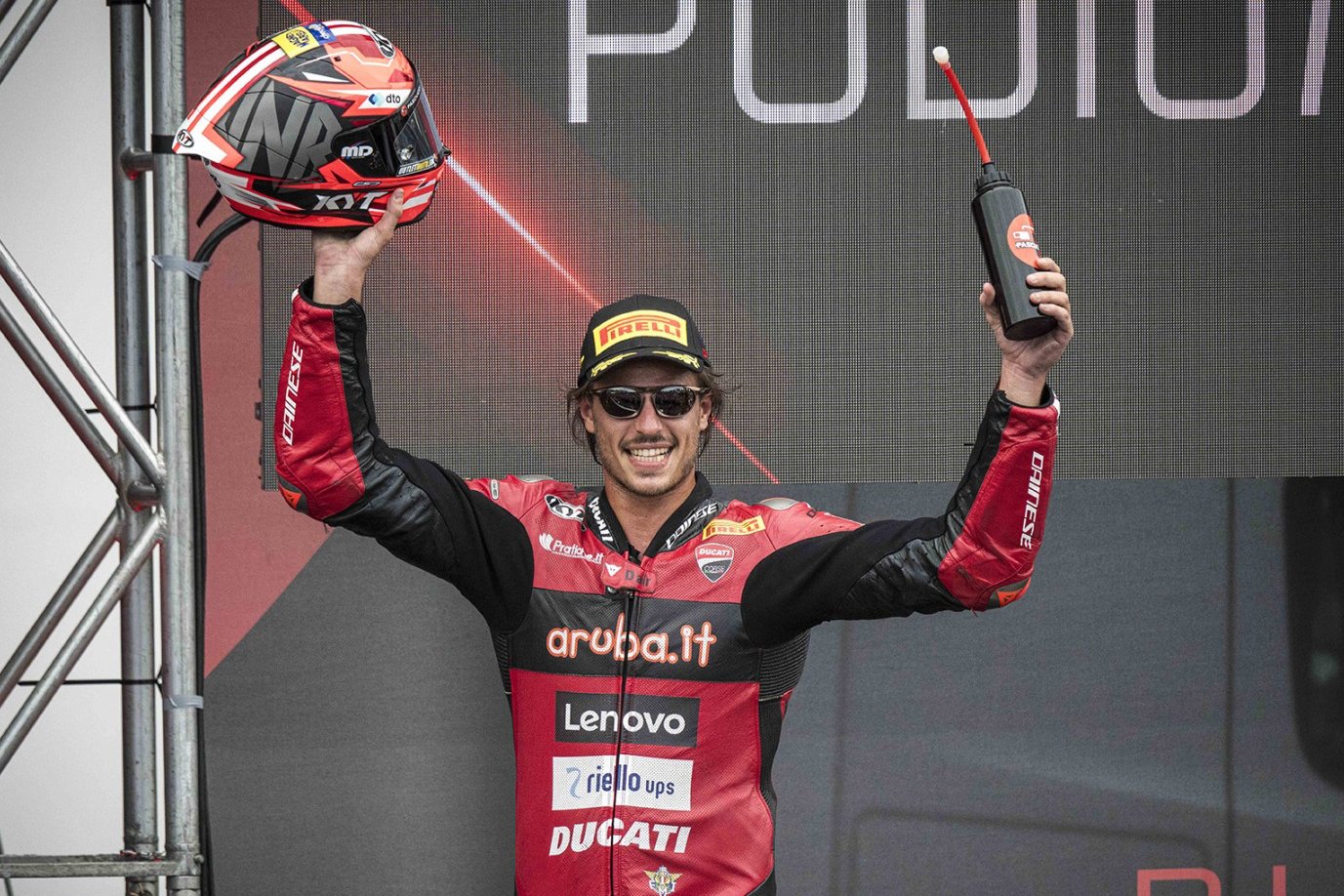
Arnaud Vincent: A World Champion with an atypical career (Part 1)
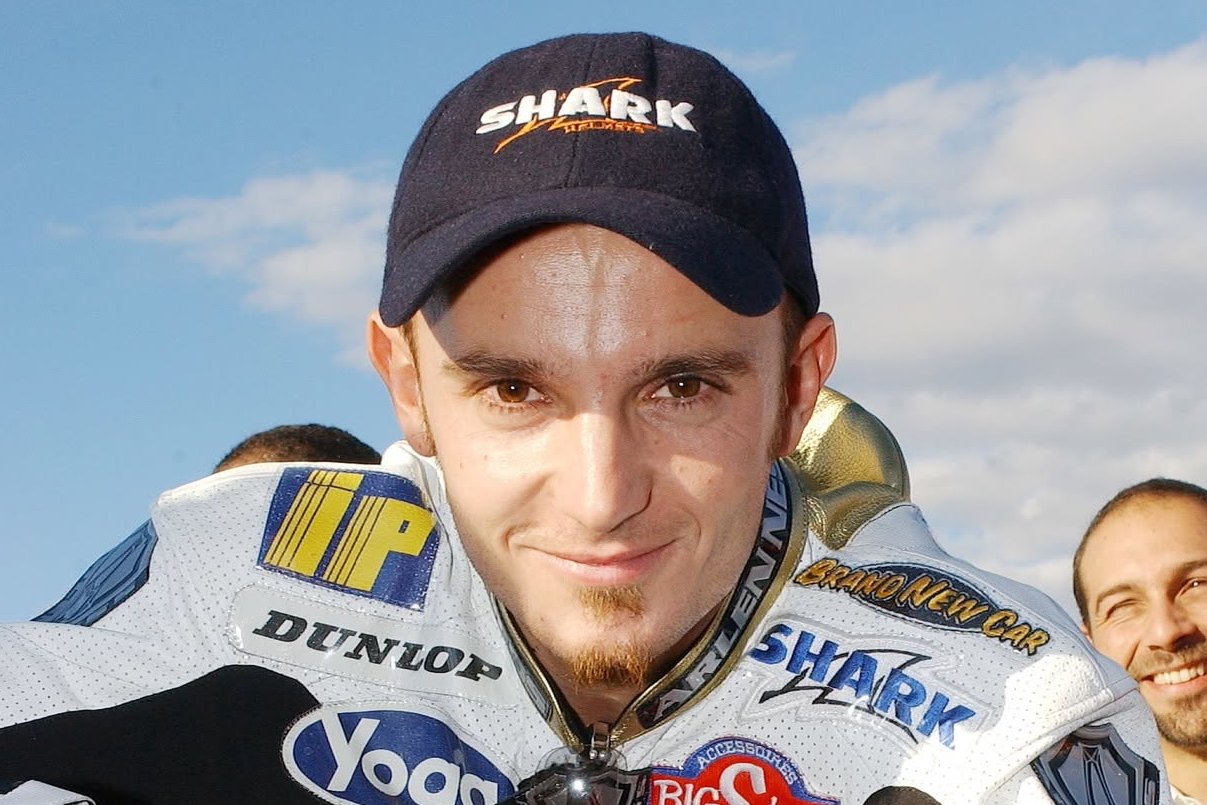
When Arnaud Vincent became the 2002 125cc World Champion, beating Manuel Poggiali and Dani Pedrosa, I was nine years old. In July 2026, almost unexpectedly, I had the opportunity to interview him.
Almost twenty four years have passed between those two moments and, as the saying goes, a lot of water has flowed under the bridge. Vincent retired from racing just a few years after winning that world title and now runs a company specializing in motorcycle and mountain bike components. However, the call of the racetrack never completely disappeared. Now in his fifties (he was born in 1974), towards the end of 2025 he returned to racing for fun in the KlassGP series, where you can find classic 125cc and 250cc two-stroke motorcycles.
Palmen in Motorradsport could not miss the chance to meet the French champion. The result was a long conversation retracing an extraordinary story: a rider who started racing very late, but still managed to become a world champion and follow a path that would be almost impossible to replicate nowadays.
Here is Part 1 of the interview.
Arnaud, let's start from the beginning. How did your career start?
I worked as a mechanic and only took part in hill climb races near my hometown, with my own road bike. That was in 1993 and 1994. That experience convinced me to try racing more seriously, so I worked to save enough money and eventually bought a proper race bike. I started racing when I was 20 years old, which was quite late. I made my debut in the French Championship in 1995 and already finished second in 1996, even though I was racing with an amateur level team. In 1997 I joined a more competitive team and competed in both the French and European Championships. How did it go? I won both!
What do you remember about your first race?
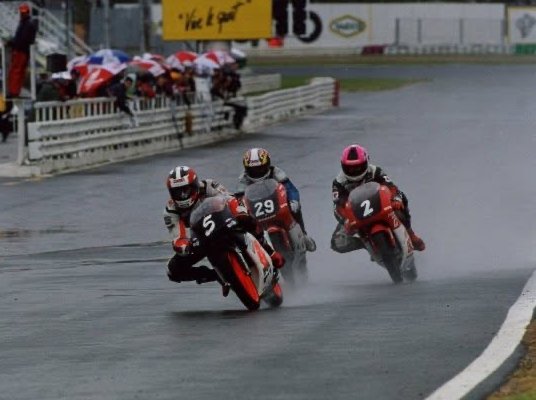
I remember it very well. It was at a circuit I had never seen before and I had very little experience, since I had ridden that bike only a couple of times. I relied entirely on instinct and did everything myself: I drove the van, worked on the bike, changed the tyres...In the end I finished the race, I think in ninth place, and I was already delighted.
In 1997 you won both the French and European Championships, despite having very little racing experience. Did you expect that?
No, not at all. In general, at the beginning I never imagined I would build the kind of career I ended up having. As I said, I had started when I was 20, and that's not how a motorcycle racing career usually begins. I was lucky enough to be in the right place at the right time with the right team. I was able to ride well and avoid crashes. I had some luck and the ideal conditions to succeed. At the beginning, though, I never imagined the path my career would take.
How did you make it to the 125cc World Championship?
Everything happened very quickly. I stepped straight into the World Championship in 1998 after only a few years of racing. However, my rookie season was positive: I finished second in Germany and ended the championship in 12th place. That led me to the team owned by Jorge "Aspar" Martínez. It was a great opportunity, because Jorge is a four-time world champion and he taught me a lot of things about how to improve my technique and how to find the right setup.
And that also helped you on the road to the title you won in 2002. What are your best memories of that season?
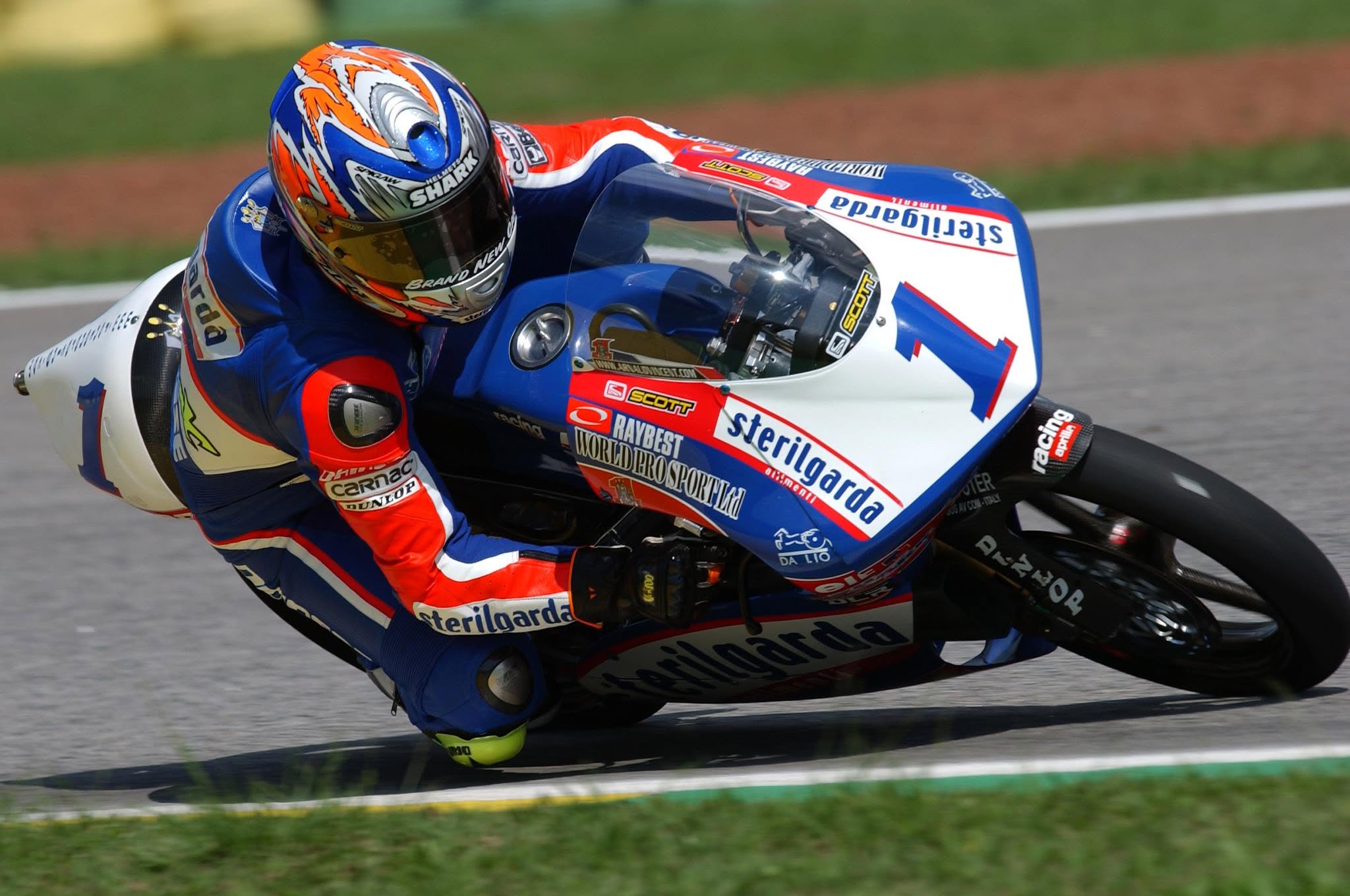
It was like living a dream. That year I had everything you need to win: a competitive bike, a great team (Fiorenzo Caponera's Imola Circuit Exalt Cycle Race Team, ed), and excellent mechanics. In Grand Prix racing, it's not easy to have all those elements come together in the same season, but I was lucky enough to find myself in that situation. I was incredibly consistent, I only crashed once during the whole season, and I had a bike that worked perfectly and an outstanding mechanics working with me.
Is there one race from 2002, which is particularly special for you?
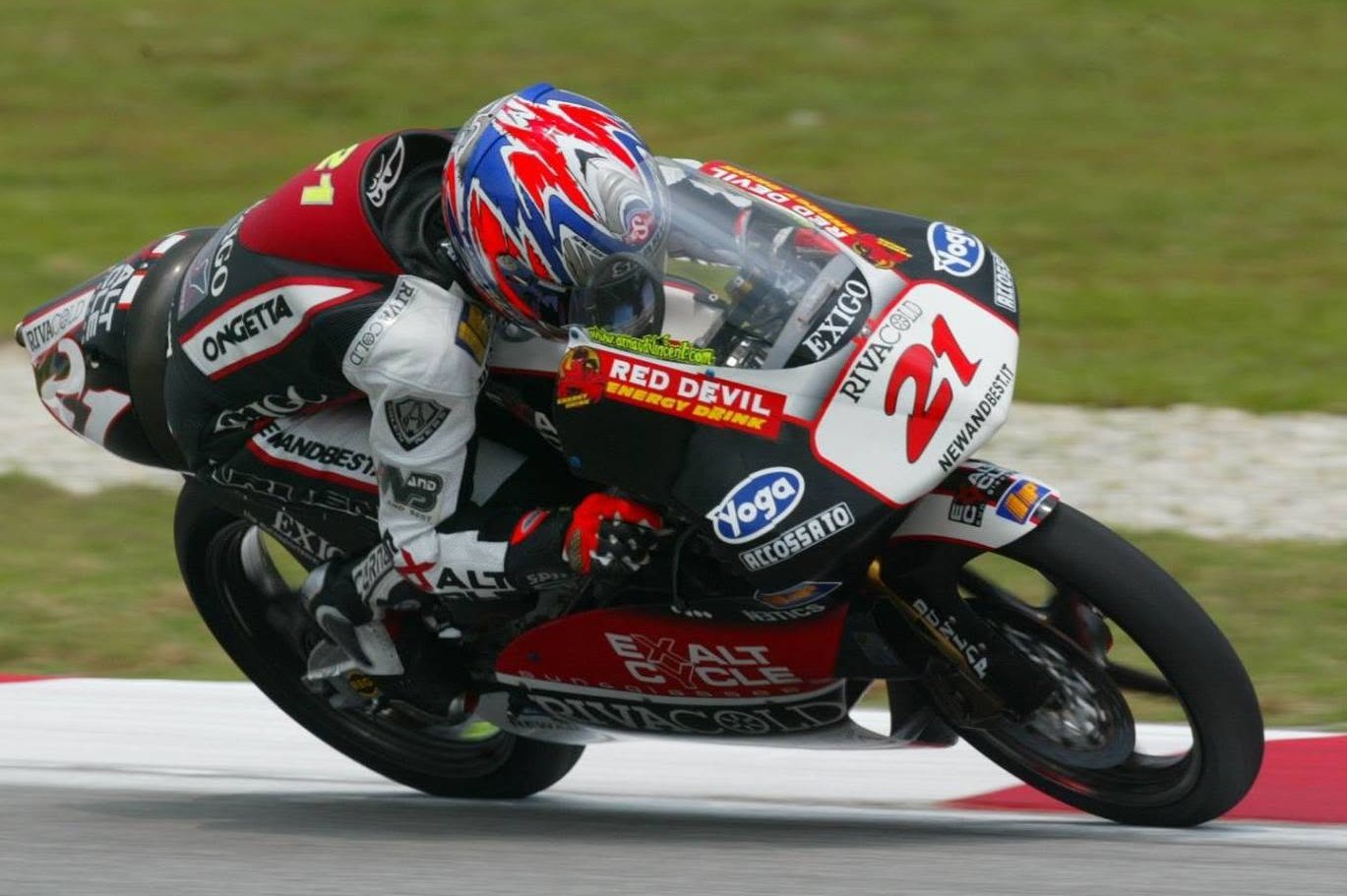
Yes, the one in Great Britain (Donington Park, editor's note). Throughout every practice session we had constant electrical problems, which left me only 16th on the grid. In the race, though, everything worked perfectly. I got a great start, passed rider after rider and eventually won. I was convinced I wouldn't be fighting for victory, but I ended up having one of the greatest races of my career.
Do you remember how you felt when you became World Champion?
Yes, I remember it perfectly. It was an incredible feeling. During the final race I was fighting with Dani Pedrosa and I tried to stay calm. I could not afford any mistakes. I was already 27 years old and I knew I probably wouldn't get another chance to win the world championship. When I crossed the finish line ahead of Manuel Poggiali and realised I had secured the title, it was indescribable. When I joined the World Championship in 1998, I told myself I would do everything possible to become world champion. In the end, I made it.
After winning the title you stayed in the 125cc class and joined KTM, which was making its debut. However, things did not go well. What can you say about that season?
For me, 2003 was a disaster. The project was supposed to last two years: the first year was for developing the bike, and the second was for achieving results. Unfortunately, things became complicated right from the start. Chief mechanic Harald Bartol had come from Gilera, bringing a great deal of experience with him, but also several technical documents. In practice, the KTM was very similar to the Gilera, and Bartol and Gilera ended up in court.
Apart from that, the bike simply did not work and we had many technical issues. I did not complain, because I had a contract and I believed it was a year of "sacrifice" to prepare for the following season. At one point, though, they started saying that I was the problem and that I was not pushing hard enough. I was never the kind of person to stay quiet and accept everything, so I ended up arguing with KTM and their engineers several times. Eventually, they fired me.
And you finished the season with another team.
I joined Fontana Racing. I wanted to get back on a bike that was as close as possible to the one I had when I won in 2002. Overall, the bike was the same, with the same chassis, tyres and suspension. However, I could not find the same feeling again and, above all, the engine wasn't as strong as the one I had the previous year. I managed a couple of top ten finishes, but I knew it wasn't my true level. With the right equipment, I could have been back in the front.
How did you cope with going from being World Champion to struggling just one year later?
To be honest, I expected it. Being not that young and being French, I wasn't in the best position to secure a factory ride in Grand Prix racing. You have to understand that at that level, Grand Prix racing is also a business. If you have the right nationality, you are young and you bring major sponsors, everything becomes easier. That's also why there have always been so many Spanish and Italian riders at the front. Manufacturers such as Aprilia and Ducati have always looked favourably on Italian riders, and the championship promoter is based in Spain. From my experience, that's simply how things have always been.
Part 2 coming soon...