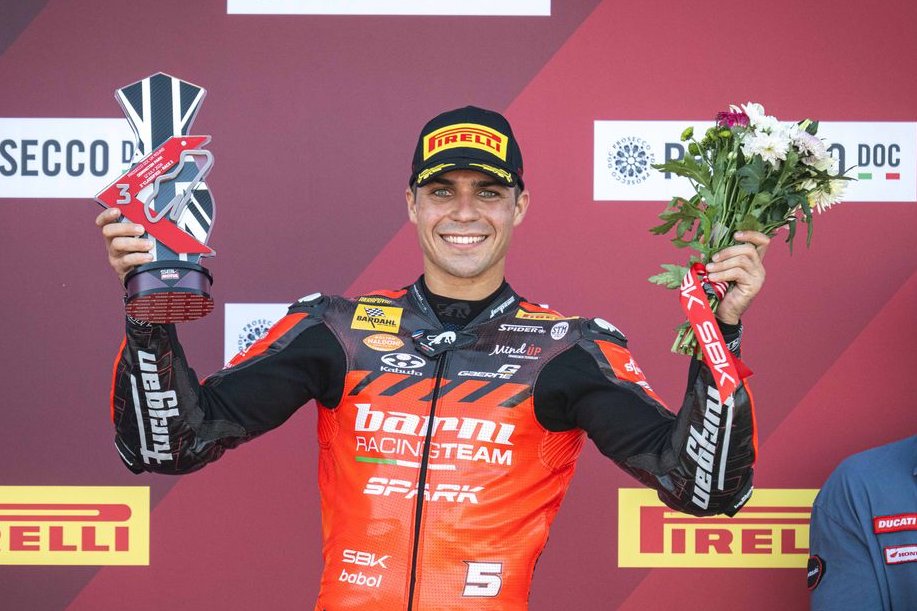
Taiyo Aksu (WorldSPB): "It still feels like a dream to be here"
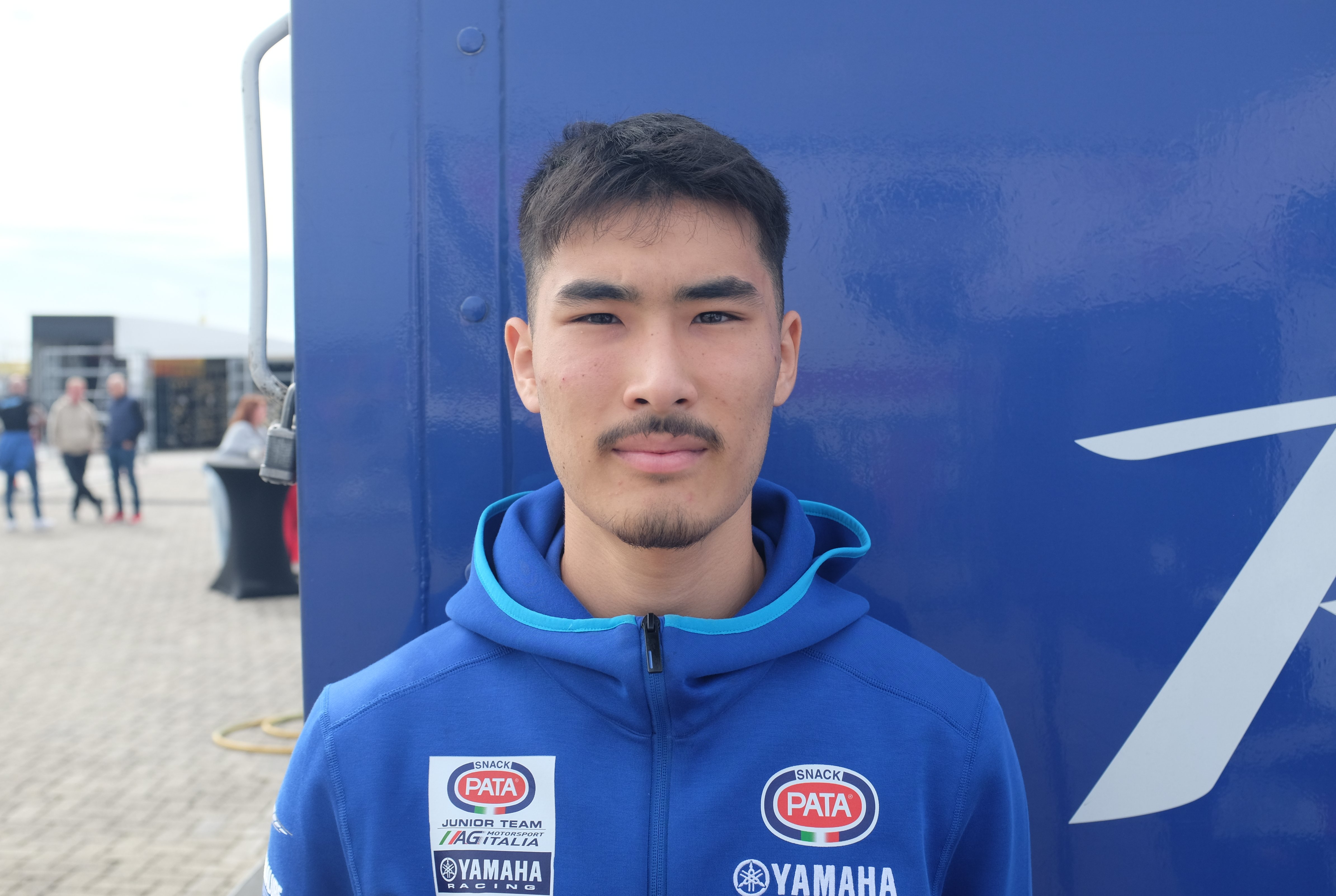
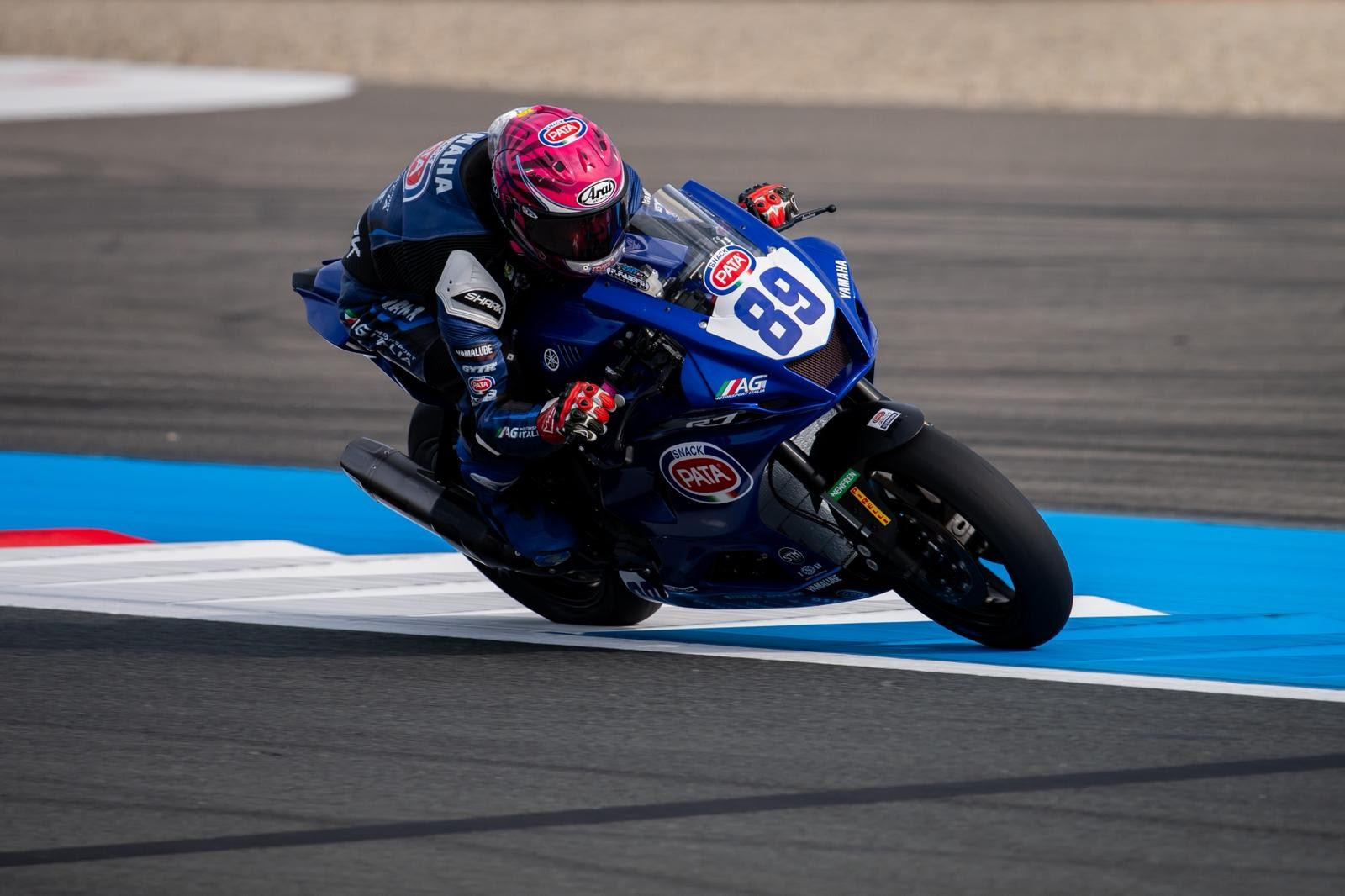
Motorcycle racing is full of stories that begin very far away, about riders who move from one continent or even one hemisphere to another to chase their dream, often at a very young age. Among these stories, we find the one of Taiyo Aksu, a rider born in 2007 who left Australia to race in Japan, Spain and now in the FIM Sportbike World Championship. A new adventure that Aksu is facing on the Yamaha R7 of the PATA AG Motorsport Italia team.
Palmen in Motorradsport interviewed Taiyo Aksu to talk about the 2026 season and, above all, to retrace the journey that brought him to the world championship stage.
Taiyo, how has the season started for you? And what are your goals for the 2026 campaign?
In Portimão, I started my first year in the World Championship and my first year with AG Motorsport Italia. The start was obviously quite difficult, as for all the Yamaha riders. We had a lot of problems that were out of the control of me and the team, but I think step by step we are improving and making good progress towards where we want to be. Of course, I want to win, like any racer, but being the top Yamaha rider is more realistic and slowly continue working from there, and see how much we can improve the bike, is a more realistic goal.
How does it feel for you to be finally in a world championship, with 19 years of age?
For me, it's still a little bit surreal, like a dream. It's been my goal to be in the world championship ever since I started racing, which was not too long ago: I've only been racing for four or five years now. Obviously before that I rode occasionally, but it's maybe my fourth year racing seriously. None of it would have been possible without my parents, because they sacrificed everything for me, and my little brother Hikaru. I am also grateful to the team, because they gave me an opportunity that I couldn't even dream about.
Before World Sportbike, you raced in the Spanish ESBK Championship on a 600cc. What are the main differences between these two categories?
Compared to the Yamaha R6, the R7 is completely different. The way the bike handles and behaves, the engine is 4-in-line in the R6 and parallel twin for the R7...The R7 has, for me, a lot more torque, but not as much top speed. In comparison to the R6, you have to keep the RPMs very high for the bike to go fast. In any case, I think that if we continue working and developing everything, it can be as competitive as the R6 was in Supersport.
Could you now talk about how your career started?
My passion for motorcycle racing come from my father. My father never raced, but he loves motorbikes and he always rode on the street, thinking that he was a racer. In Australia, we would call him a street Rossi or a Sunday champion (laughs, ed). He introduced me to bikes at a very young age. As a kid, I was always on a bicycle or doing something a bit crazy.
When I was 7 or 8 years old, we went camping for Christmas and there was a small Yamaha PW50 under a blanket when we returned. That got me into riding. My parents did the best they could to let me ride whenever I could. I never really did any serious racing until I was maybe 13, when I started riding on flat track (like many other riders in Australia, ed). I raced some Australian championship races and some cups, but not very seriously.
What got me into taking racing seriously and making the switch to road racing was that despite the little amount of riding, maybe some years I was riding once or twice every six months, my parents could still see that I had this hunger to win. When I did take the bike, I wouldn't ride for six months, but I would come back straight away and be fighting for a win or winning. So they said: "OK, you can take it seriously and we can try road racing."
How were your first steps in road racing?
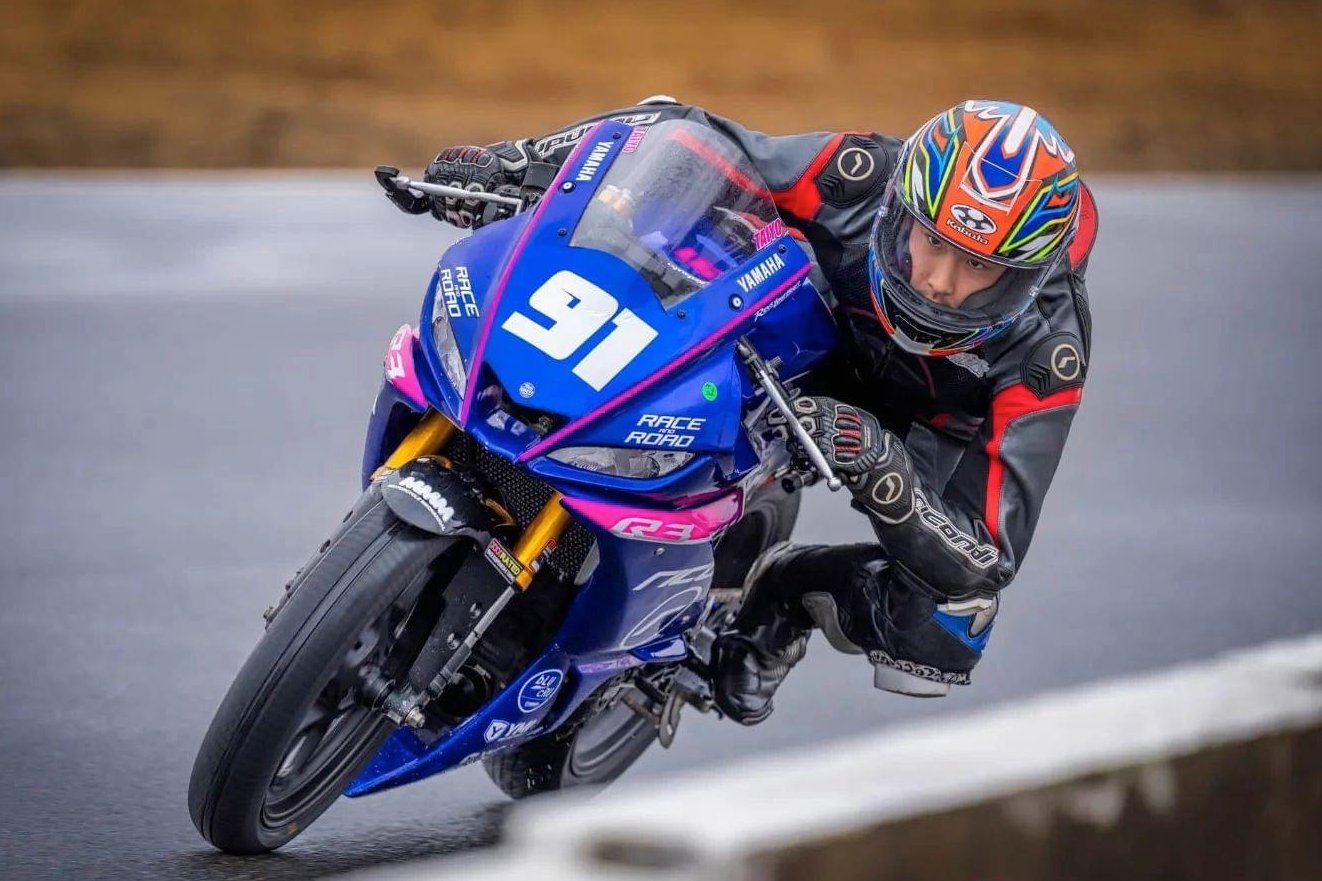
From 2021, I did two years in the Australian Championship in the 300 class. In 2022, we finished third, which was still great considering that it was only my second ever year racing a motorbike. Then in 2023, I did one year of racing in Japan, in the Japanese JP250 Championship (part of the All Japan series, ed), but it was for me a very complicated year. In that moment, I had a lot of questions about myself, about if I wanted to continue racing.
What happened exactly that year?
I don't want to throw anyone under the bus, but there was a lot of complications with the team. Some things that we didn't see eye to eye on. Also, I moved to Japan alone at only 16, which was a big change because I went from living with my family, my little brother, going to school every day, to living on the other side of the world, away from my family. I was working six days a week, cleaning cars, to help pay for my racing. For me 2023 was a very difficult year, but it built me into a very strong-minded person.
At the end of this year, I was considering to stop racing, but I was lucky enough that Mitsuo Abe, the father of Norick Abe, took me under his wing and brought me to Europe to race in the Spanish Championship. He introduced me to the team, brought me into a house, lived with me and I was training with him and the Yamaha Japan family.
And how were your seasons in Spain?
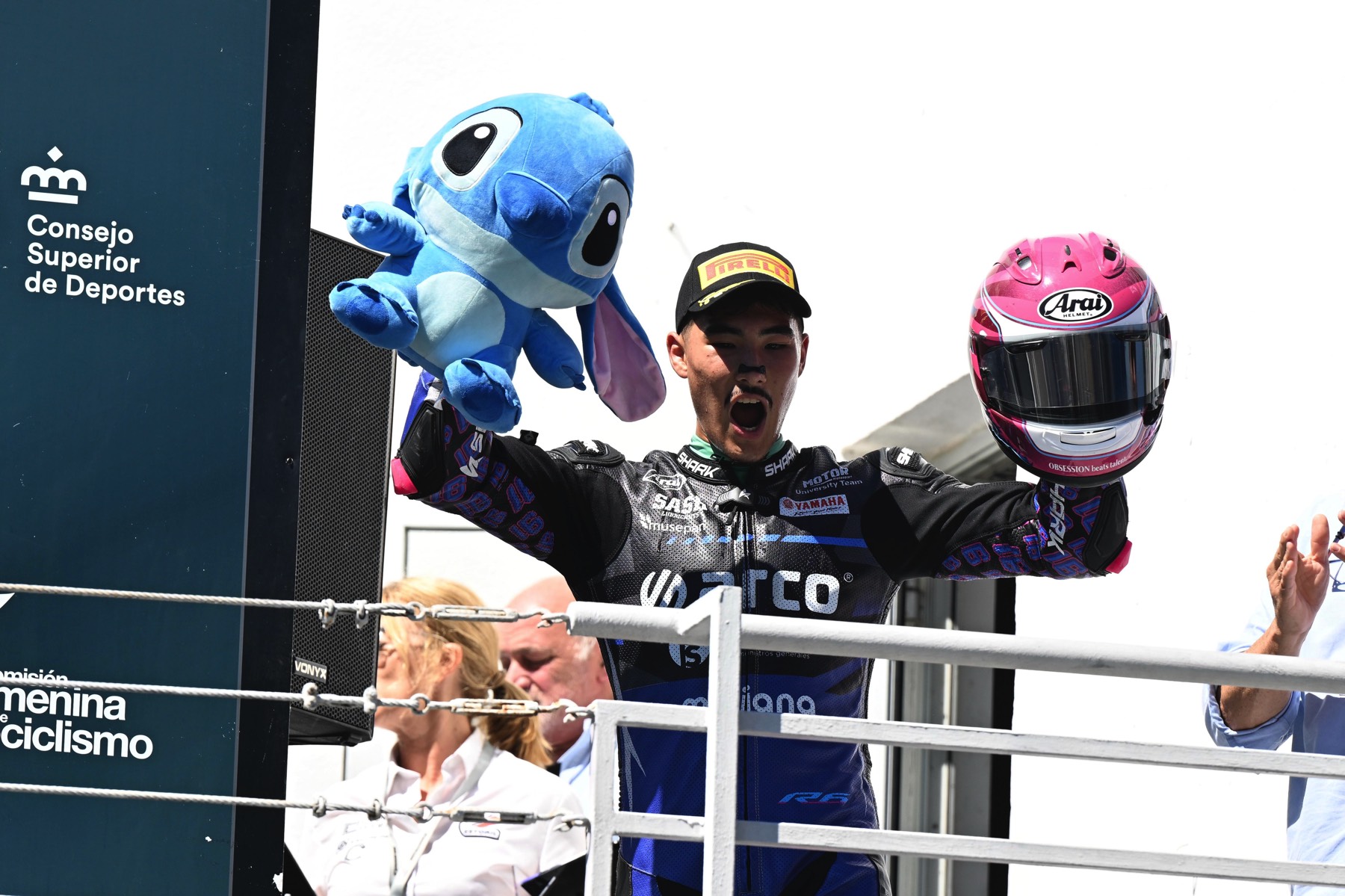
In 2024 and 2025 I raced in the Superstock 600 class with the Arco Motor University Team, and I was able to take a race win, pole positions, many podiums, and ultimately finish fourth in the standings in 2025. It wasn't the result that I wanted, but I was happy with it.
How was it for you to move to Europe, even further from your family and from your comfort zone at such a young age?
A nice experience, to be honest. Maybe other people see it as a sacrifice, but that's how I get to chase my dream and do what I love. The sacrifice is that I cannot do some things that my friends do in Australia: I cannot go out every weekend and party, have fun, but this stuff is going to stay there. It's sad that I cannot see my family and everything, but it is what I work towards, what my family sacrifices everything for. I like it, I love it.
How different is it to race, in terms of environment, mentality and so on, in Spain and in Australia and Japan?
I think the biggest shock for me was the paddock and the way that the teams work. It has all been like a staircase for me. I went from Australia, which is a paddock where everyone is with their mum, their dad and a mechanic, because almost no one in Australia has the money or the infrastructure like they have in Europe. The two years I raced in Australia, it was me and my father and that's it. I was the mechanic for my bike: I would change the tyres, my dad would help do the mechanical stuff, but really it was me and my father and we did an amazing job.
In Japan it was more professional: trucks, telemetry, professional mechanics...But then you go to Europe and it is even more professional. It goes from small trucks to big semi-trailers. You have the team with two mechanics per bike, telemetry, data and so on. And when I came to the World Championship, I saw it as something incredible: you have the hospitality, riders doing this for a living, the best of the best is here...A continuous staircase, even if it's more or less how I expected it to be.
Do you have any hobby or other sports that you are interested in, outside of motorcycle racing?
I love cycling and running a lot. I am a very active person: when I am sitting down and not doing anything, usually I am playing PlayStation with my friends. Also, I like football a lot: especially being in Spain in the past years and in Italy now (in Bologna, with the team, ed).
In your logo, we see the Australian flag, the Japanese flag and the Turkish flag. Can you tell us more about your origins?
My mother is Japanese, my father is Turkish and they met in Australia. And then they had me. I was born in Japan, but when I was 3 or 4 years old, I moved to Australia and I grew up there. In blood, I am Turkish and Japanese, but culturally I would say I am Australian.
Do you feel more Australian, Turkish or Japanese as a person?
When I am in Japan, they tell me that I am Australian. And when I am in Australia, they tell me I am Japanese. I think at heart, I am just 50-50. When I go to Japan, I feel like Japan is my home. Spiritually, in my body, I feel like this is my home, but when I am in Australia, all my family and friends are there. If I had to choose one place to live for the rest of my life, I would probably say Australia, because that is where I grew up and my home is there.
What's your goal for your career?
I want to be a world champion. Multiple-time world champion, if possible, whether that is in MotoGP, Moto2, Supersport, Superbike, Sportbike...However, what would really fulfil me and make me feel like I have accomplished something, is helping the next generation. When I started racing in Australia, not many people helped me and my father. Many were actually acting like they are helping me, but didn't do anything concrete or they even held me back. To the future generation of kids, I want to be the type of person that I didn't have.
At the moment, if someone asks you who is the fastest ever racer seen in the WorldSBK, you would say Toprak Razgatlioglu, Álvaro Bautista, Jonathan Rea...I hope that one day, when someone asks a kid who is the fastest rider in the world, they say: "Taiyo Aksu". That's my dream.
And in conclusion, Taiyo, the "Thank You Moment": do you want to thank anyone in particular?
I want to thank my parents, the team and everyone that's given me an opportunity. But the biggest thank you is for my brother. He sacrifices a lot for me and he's my biggest supporter. He's always the one telling me before the races things like: "Taiyo, in the first corner, go to the inside". He watches everything like a hawk, and I am very grateful to him and to the people I mentioned before.
Palmen in Motorradsport thanks Taiyo Aksu for his time and Michael Hill and PATA AG Motorsport Italia team for making the interview possible. Best wishes to both the rider and the team for the future races and seasons.
Note: apart from the featured image, the photos in this article were taken from the rider's website.