Marcel Schrötter opens up to Palmen in Motorradsport
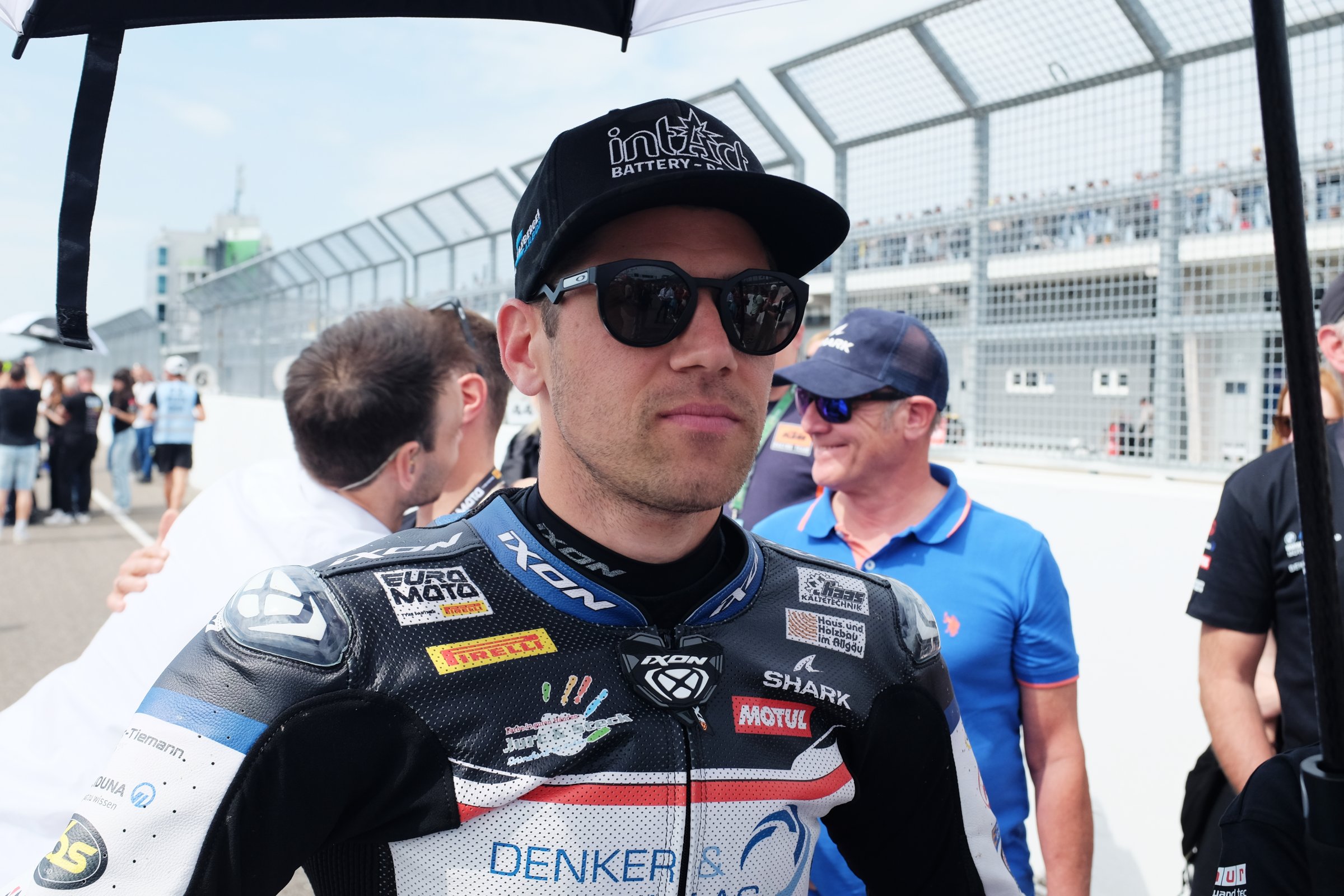
Not every day you can interview a rider who raced in the MotoGP paddock (125cc, Moto3 and Moto2) for more than ten years, and with so many things to talk about. Though, this is exactly what happened at the EURO MOTO round at Sachsenring, as Palmen in Motorradsport had the chance to interview Marcel Schrötter.
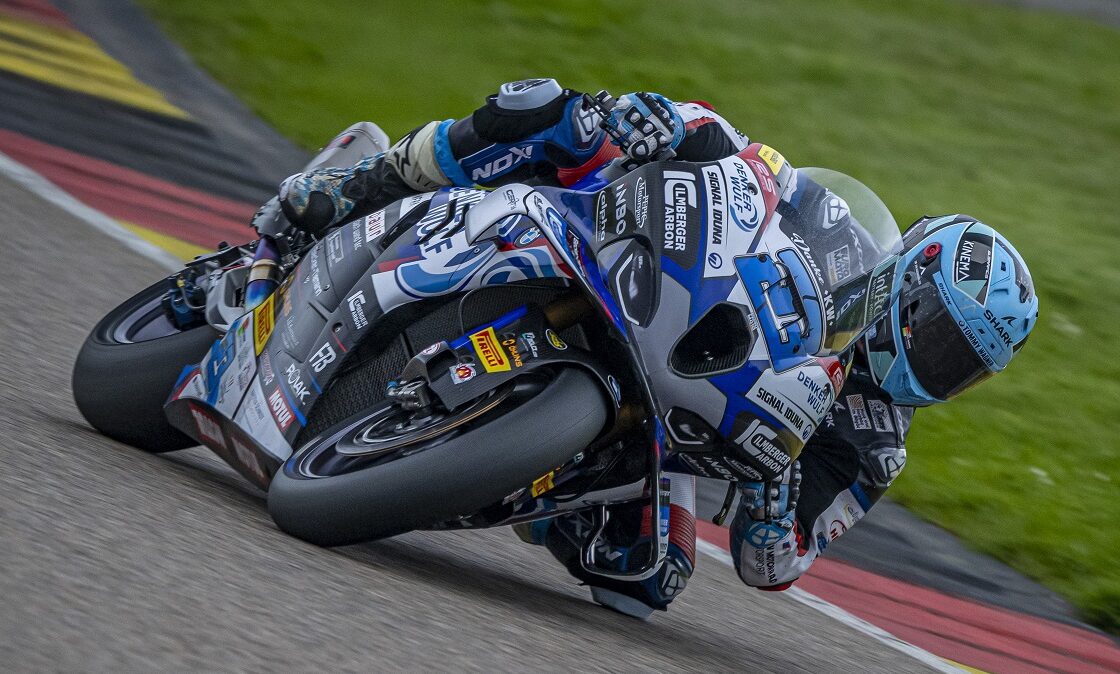
A podium finisher in both the Moto2 World Championship and the Supersport World Championship, Schrötter opened up on the 2026 campaign, which sees him in EURO MOTO Superbike with GERT56 by RS Speedbikes Team and in the Endurance World Championship with the ERC Endurance Team (both on BMW machines). But, especially, the 33-year-old rider from Vilgertshofen talked about the highlights and challenges that marked his seasons on the world stage.
For this interview, the structure is a bit different: instead of asking questions, I asked Marcel Schrötter to go full throttle on some specific points of his career. Hope you like the result 😊
2026: EURO MOTO and EWC
In 2026, first of all, I want to have fun and enjoy. Racing again in the German championship is like coming home: it’s where I grew up, and where I spent the beginning of my career. It's nice to be back here after so many years in world championships, and also to race in front of German fans not just one race, but the whole season.
When it comes to Endurance, it's something completely different. You have factory teams with big support and big budgets, but you also have a lot of small teams, which is great. In the EWC, you often see a big trailer, and next to it a small camper van with a tiny tent for kitchen. And the atmosphere is very relaxed, same as EURO MOTO.
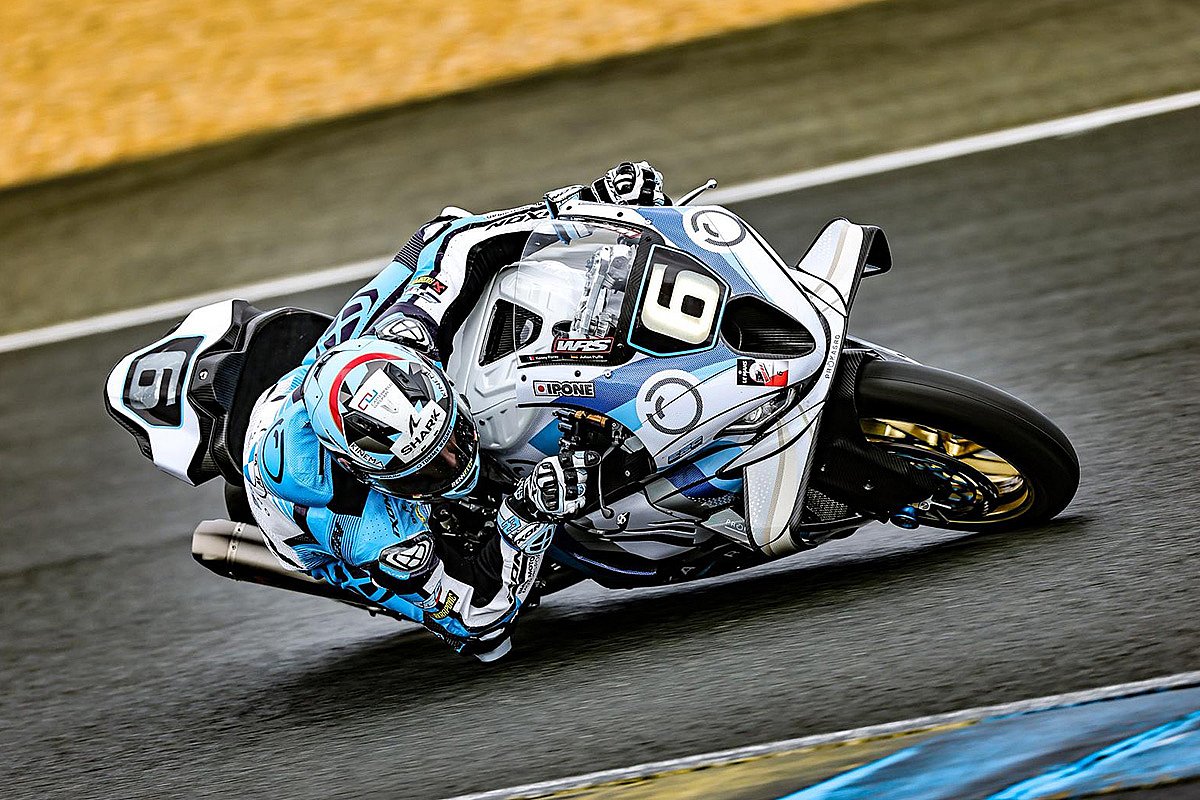
I recently had my first 24 Hours race, in Le Mans, and it was a cool experience. I also like the fact that, in endurance, you don’t work only for yourself, but for the whole team. You work to find the best setup that's fitting everybody and the best strategy possible (Schrötter already raced in the Suzuka 8 Hours in the past years, ed).
With this mix between “sprint” races and endurance, this year is going to be interesting.
125cc years on a Honda (2009-2010)
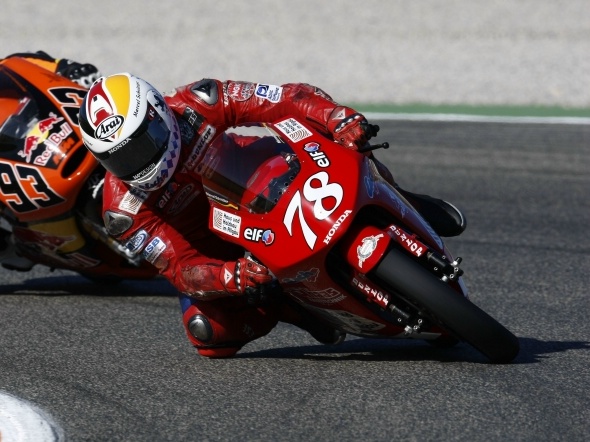
My years on a 125cc were incredible. We started in the IDM, where I won twice the championship, and then I also won the European championship. The week after I had a wildcard in Valencia in the World Championship, and there I finished P5 with a Honda bike, which definitely was underpower and way behind Aprilia already at that time. I think we did everything right with what we had. We were a small team (owned by Anton "Toni" Mang, ed), but the bike was in the best hands: Sepp Schlögl was our mechanic and we had great support from Honda with Adi Stadler.
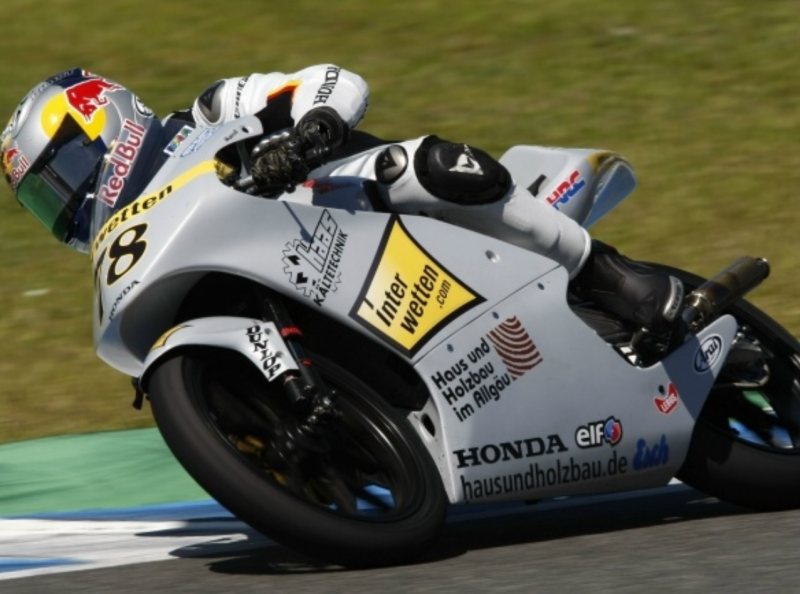
Then, my first full season in the world championship came. I was working with basically the same people, but inside the Interwetten team as a teammate of Tom Lüthi. Fun fact: Lüthi was my first and almost my last team-mate as well in the MotoGP paddock. And clearly, to do one race is one thing, but doing the full season is completely different. As a 17 year old, you travel a lot and also go to places like Malaysia, where it´s really hot.
As for our team, we were a little bit “basic”. We didn't work with data recording, so I basically got told which gears I had to use and stuff like that. Looking back, this didn't help to learn faster. Data is like a must now, especially helpful for young people to overlay and see immediately after five laps what to do different, where they lose a lot of time…We didn't use this, so it made my first year a lot harder.
In the end, though, it was still nice. I finished in the top 15 a lot of times and took some valuable points home. Of course, when you finish P5 at the final race of the season the year before, you expect more. But soon I came back to reality and I understood how nice it was to finish even just outside the top 10. I was riding again a Honda, which was not the most powerful bike then, and to fight against all the Aprilias, especially the factory RSA model, was sometimes really tough.
I remember seeing other rookies, which I defeated in the European Championship, passing me on the straight like it´s nothing, only because they had Aprilia bikes. It was really difficult to accept this and to work with this, being 17 years old. But it surely helped me, also for the future.
Memories from Moto2 (mid-2012 to 2022)
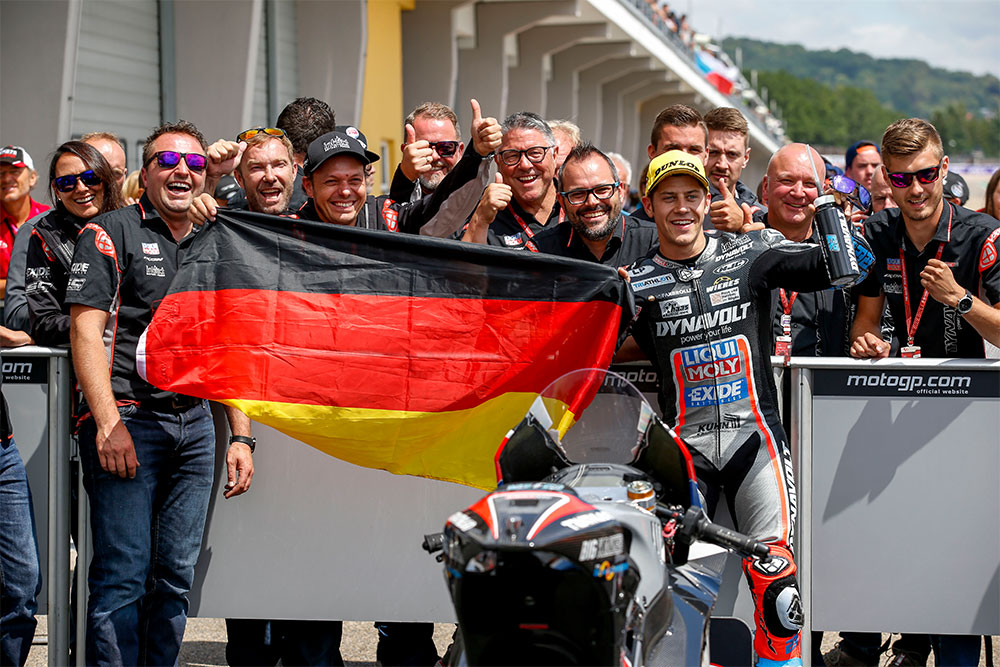
Obviously, the best memory was finishing on the podium at Sachsenring. Every podium in Moto2 is special, because it's such a competitive class, but to do a podium at your home race with over 200,000 people watching you is something you almost cannot describe. A win would have been incredible, of course, but already this podium was something special, that you remember always.
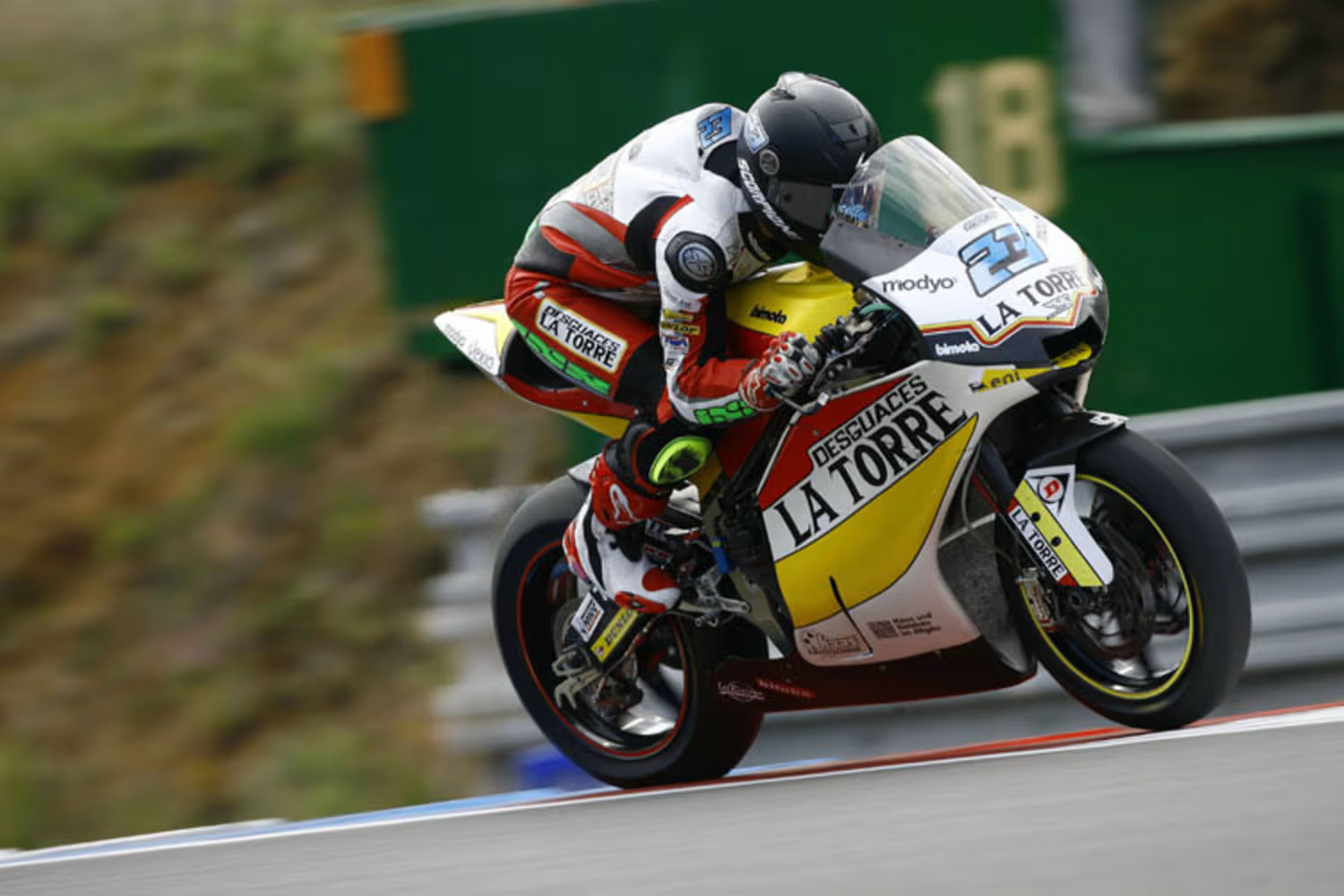
Anyway, I spent many years in the Moto2 World Championship, also because I came there from Moto3 very early in 2012, after only half season. Back then, I was racing in the Moto3 World Championship with Mahindra (with whom he also raced in 125cc in 2011, ed). But, halfway through the season, I decided to leave the team because the bike was not competitive at all and it was even getting dangerous, since we had many engine problems. I was hoping to be signed as replacement rider. Such possibility finally came, but it was in Moto2 (with the SAG Racing Team, ed).
This meant that I moved up being very young, and for sure way too early, but that was the only option. I have never been in the position to bring money to a team. I basically had to take what I could get, which is what happened in that case. This leads sometimes to bikes and teams that are not the fastest, but on the other side I still spent long time in the world championship.
Coming from Germany
Obviously I wanted to achieve more in the Moto2 World Championship, but just to be there such a long time was an achievement, especially coming from Germany. In Spain or Italy you can have even 20 riders to choose from every year, while in Germany we have sometimes one rider per year, and sometimes even nobody. This is what maybe some people, even German fans, don’t really understand.
Also, looking back, I still came out of a time that from October or November, when the season stopped back then, I then started riding again in April or in May. I didn't even know that you can go to Spain and train. Back in the days, I could not drive, Instagram was not popular yet, there were no tracks to train and we even had snow at home. Basically, when the season ended I stopped riding and I did skiing and played hockey until we started the first test, without even training on minibikes, which is something everybody is doing now. This is also a big thing that people don't really know.
It’s not an excuse. And I don't say either that people now have it easier. It's just saying that it was not easy for me at the time. Who knows what could happen if traveling from Germany to Spain in winter would be possible back then. Still, I'm happy with how it went and grateful I could be part of the World Championship for such a long time. You always wish for something extra, but it was still great.
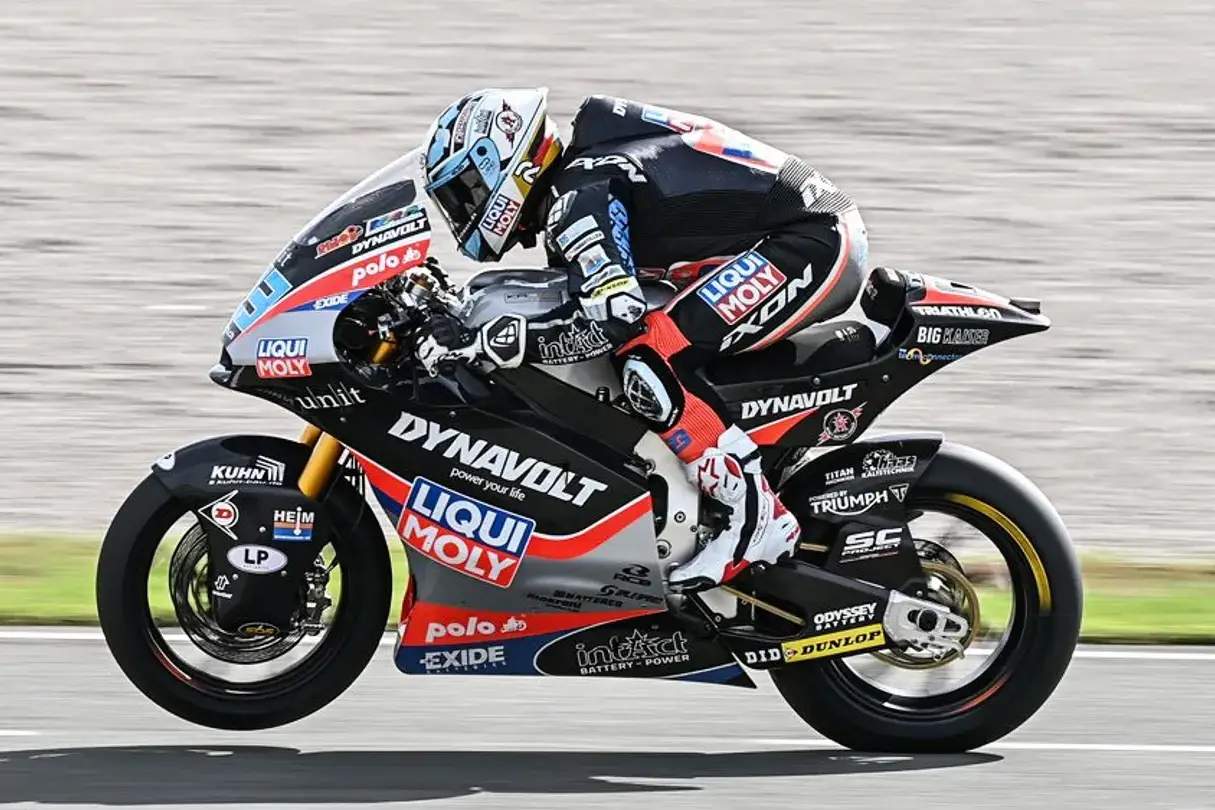
From Moto2 to Supersport
Supersport is completely different compared to Moto2, and in general the WorldSBK paddock is different from the MotoGP one. You can see it also in how teams work: Grand Prix racing is the highest level and teams are even more professional and with more budget than in WorldSBK.
Moreover, as a rider you have more pre-season testing and there's not a question if you can use one more tyre or not, so you get always a lot of kilometres under your belt. In WorldSBK, there are fewer test sessions and if you want to spend more time on the bike, you often have to ride in track days, and therefore share the track with amateur riders andave a 50-minute session and then wait one hour before the next one. And, in one hour, conditions can change significantly.
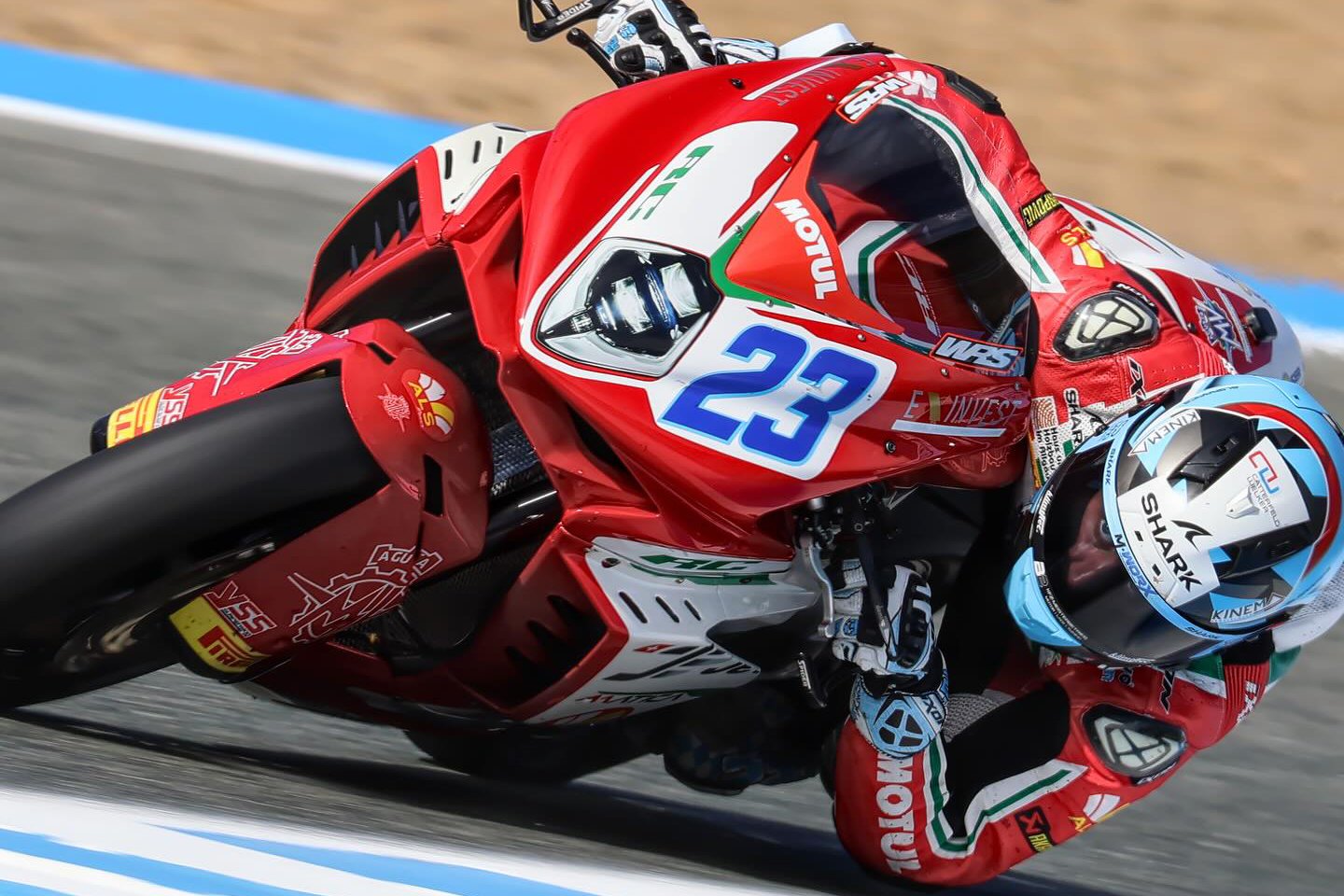
Anyway, in 2023 I managed to finish 3rd in the championship at my first year in the WorldSSP despite not knowing all the circuits in the calendar (with the MV Agusta Reparto Corse team, ed). In that year, Nicolò Bulega won the championship and was very strong, and Stefano Manzi finished second. Me, I was right behind them. For the second year I was, of course, hoping for more. However, some decisions were made in the team about technical stuff and I didn’t have the best feeling on the bike. That’s the reason why I finished only in fifth place and was way less consistent than the year before.
One more thing is that in the Supersport World Championship, there are very few teams that can pay the rider. As I said before, I have never been able to bring budget and without a big sponsor behind, I need to find a team that can pay me. Racing is what I do to pay my bills, and it’s even more important in the current stage of my life, building a home and starting a family (Marcel recently became a father, ed).
2025
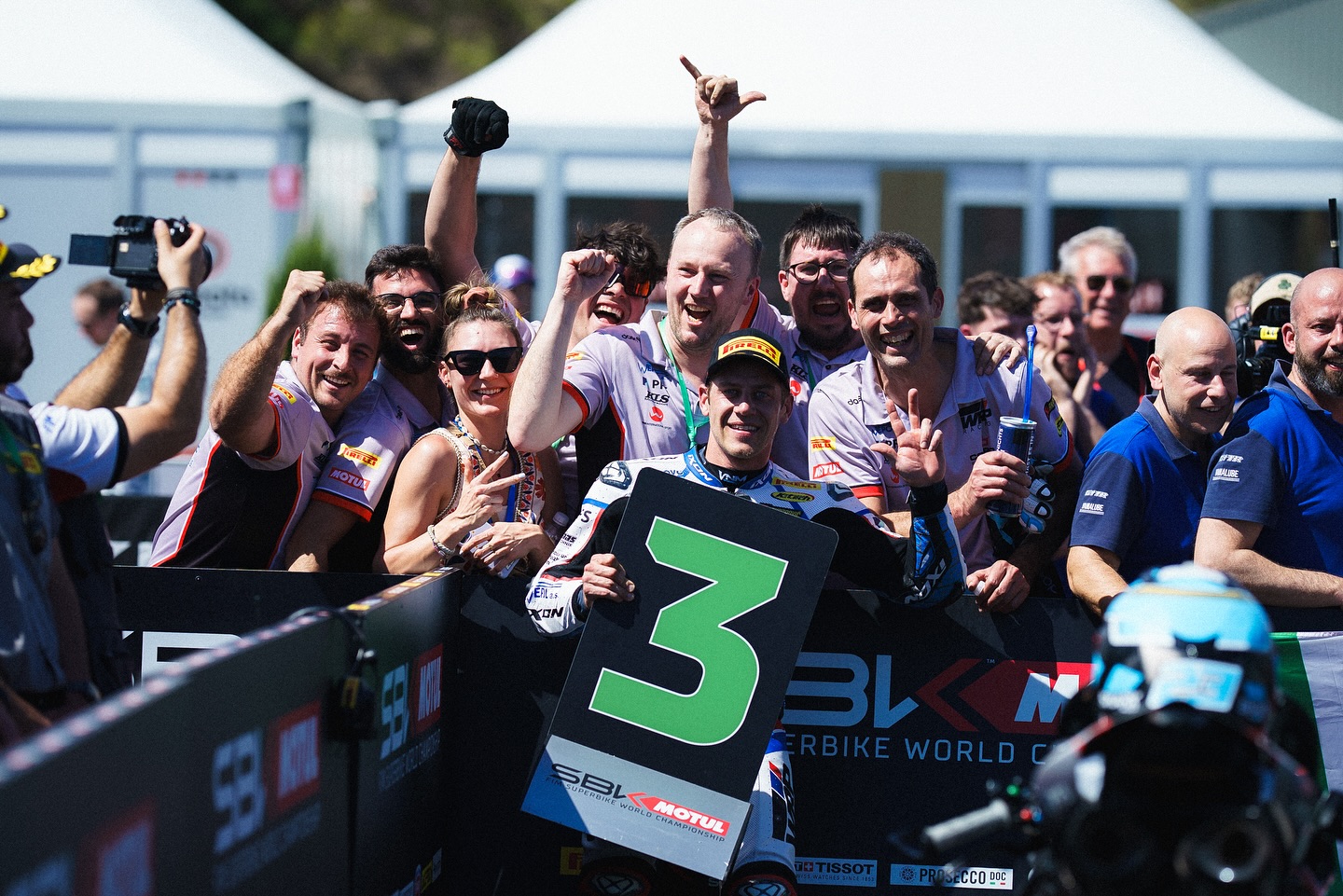
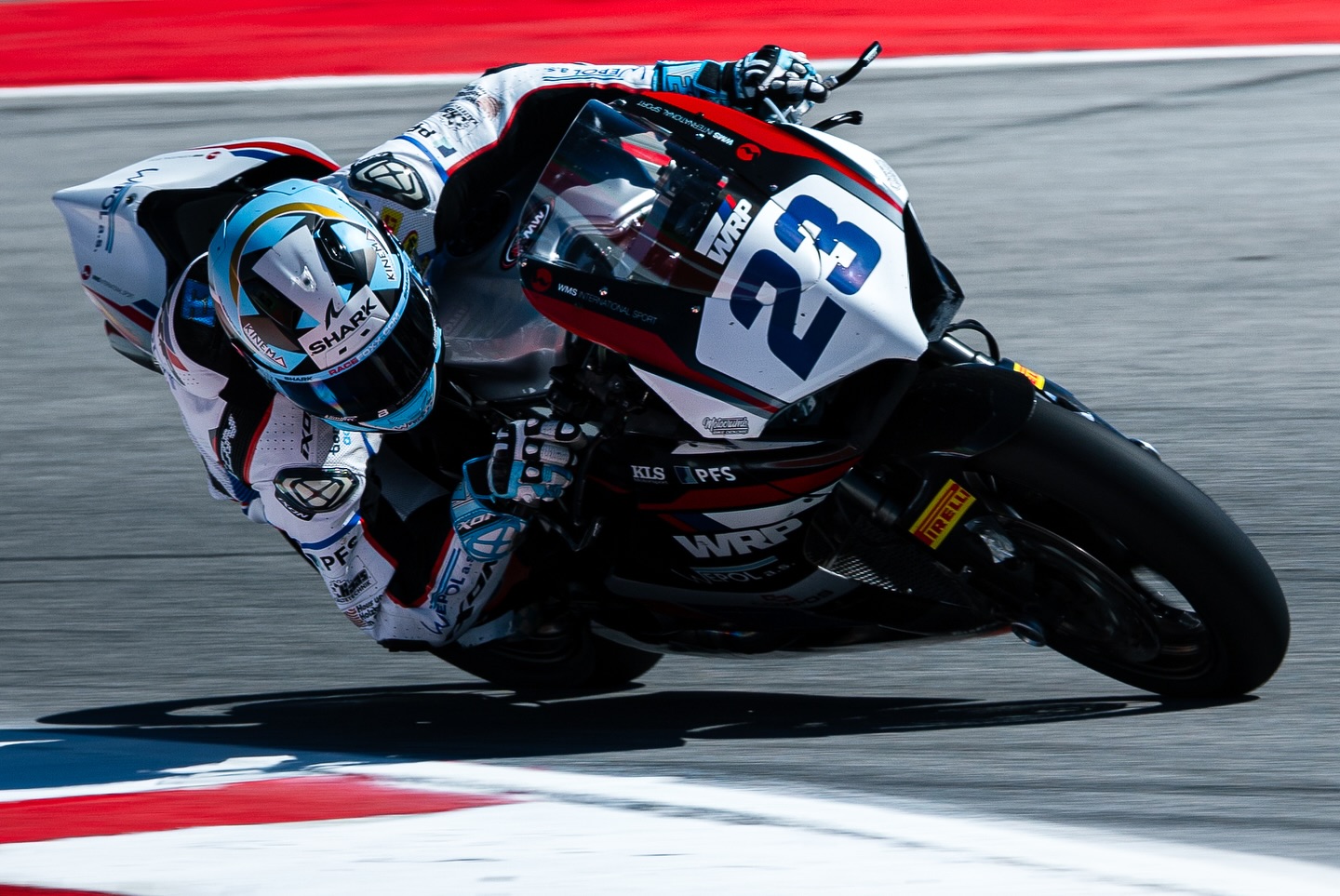
In 2025, I was basically trying to find a package in the WorldSSP where I could earn money. And that’s when I met the WRP Racing Team, a German-speaking team that was switching from Triumph to Ducati. I thought it could be a good solution for me, and we actually started really well, since we were already strong at the first round in Australia: I finished on the podium in Race 1, and in Race 2 I crashed while leading the race. We were in that position also because the team spent some more money to do plenty of testing in the pre-season.
The problem is that I wanted more, I knew what I needed…but the team couldn't get it. Moreover, we were lacking power compared to other Ducati riders and also to the Yamaha bikes. And if you lose half a second per lap only on the straight, then there's something wrong. If you want to fight for the victory, you need to have minimum the same as the others, and I didn’t. So we were struggling technically and the atmosphere in the team was not the best, including some small fights. These are not things that you need as a rider.
Reflecting on World Supersport, the level was getting higher and higher and this not only the top two or three, but you need to be very fast even to be “just” in the top 10 or to score points. And this is what some of the teams don't understand: in World Supersport, the level of the riders has increased a lot in the last three or four years, but the level of the teams has remained the same. There are a few teams that do a really good job, but the difference between them and the other teams is big. So that's why it was difficult.
After that experience, I wanted to find a better solution for my future. And racing in the EURO MOTO Superbike and the FIM EWC is a new challenge and makes me feel more than excited.
Karsten Wolf (owner of GERT56 Team, who passed away towards the end of 2025)
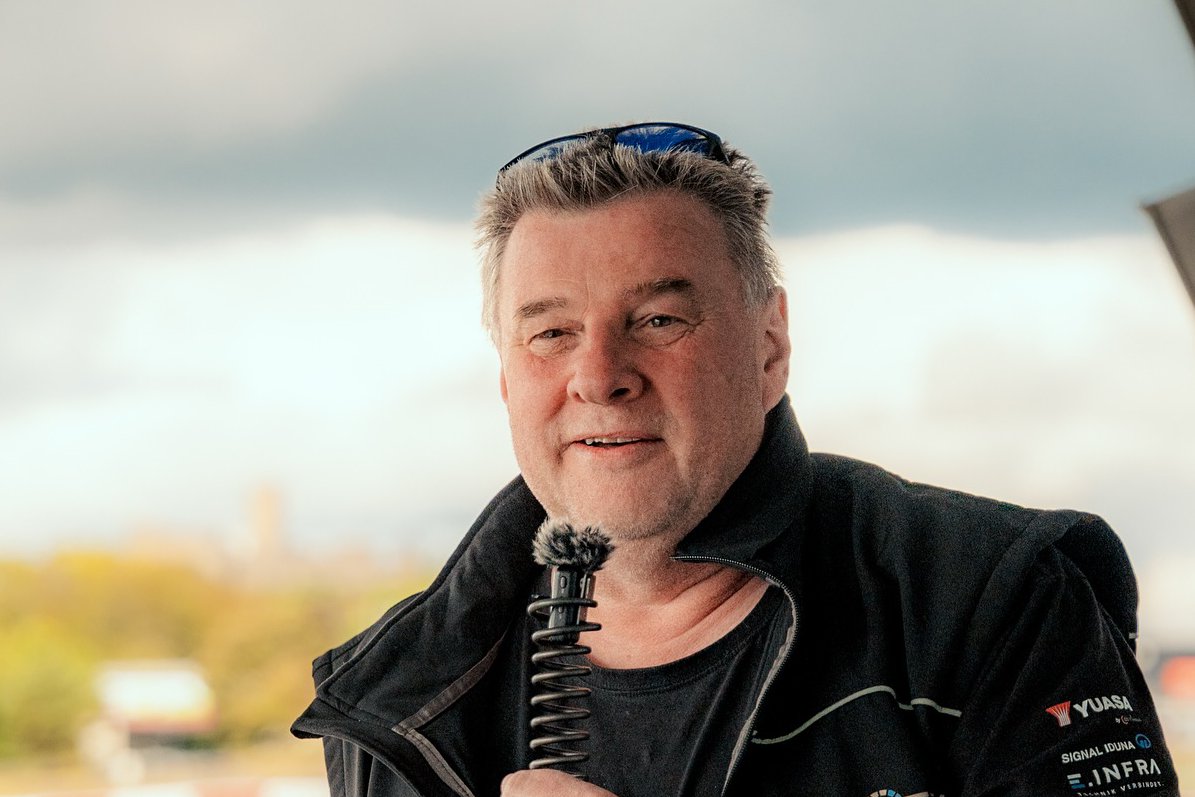
I didn’t know him in person, but when we started speaking in November by phone, I could really feel how excited he was to hear that I wanted to join his team. And from what all the people said, he immediately moved all the tools to make this possible and to have me as their third rider (besides Jan-Ole Jähnig and Toni Finsterbusch, who were already in the team, ed). And he wasn’t the only one: after he passed away, everybody was moving everything to make this possible, because obviously as a new rider I cost money in terms of extra bike, extra tyres and so on. Everyone was trying and working really hard to make this possible.
It would be amazing to show Karsten what we do, what we did, that we are here and that this is working. And I hope that, throughout the year, we can pay him back with some nice results.
Palmen in Motorradsport is grateful to Marcel Schrötter for his time, and to Johannes Bornemann (GERT56 by RS Speedbikes Press Officer) for arranging the interview. Best wishes to both the rider and the team for the next races and seasons.