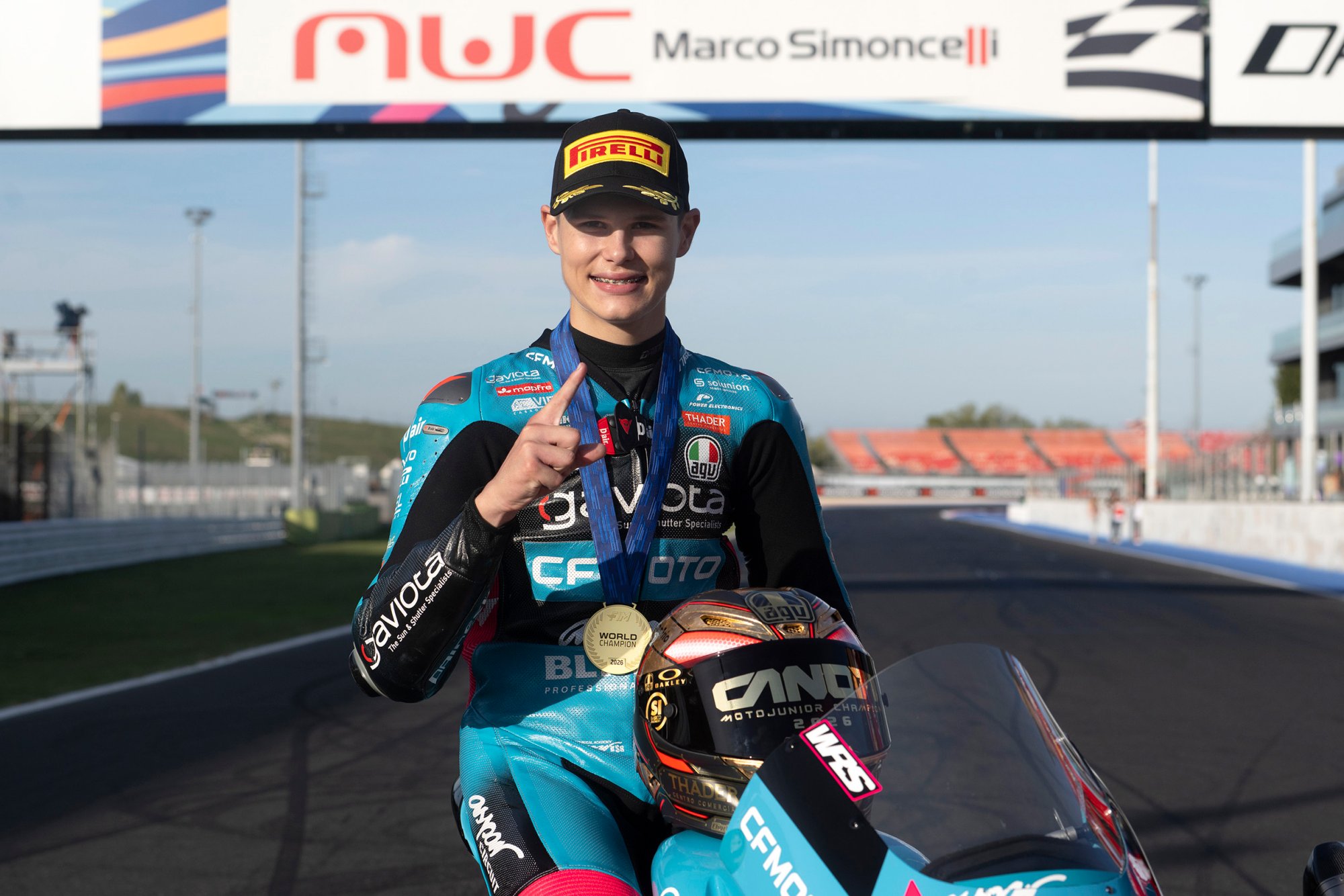
Albert Arenas (WorldSSP): "Here's how it went in the MotoGP paddock. WorldSBK? As soon as possible"
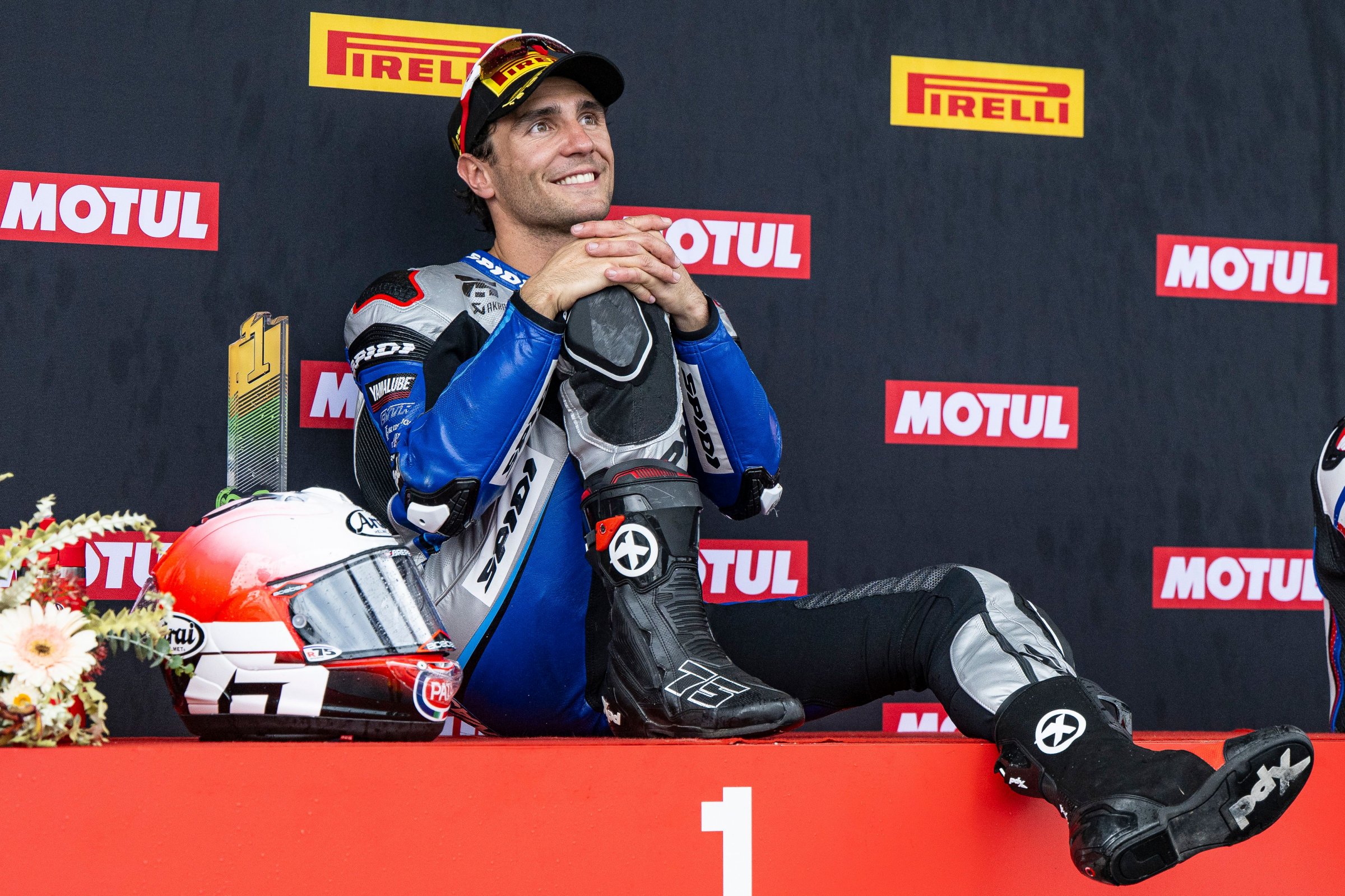
The Supersport World Championship has welcomed for the 2026 season a rider who, in previous years, managed to win six races and a championship title in the Moto3 World Championship, plus showing great speed occasionally in Moto2 as well. After many years, in the MotoGP paddock, Albert Arenas has joined WorldSSP as a supported Yamaha rider, racing with the AS bLU cRU Racing WorldSSP Team (formerly known as MV Agusta Reparto Corse).
The start of the season has certainly been positive. After the first three rounds, Arenas already boasts one victory (Race 2 at Phillip Island) and three additional podium finishes, and he has never finished outside the top five, with a fifth place being his worst result to date. Being that strong and consistent has brought Arenas in contention for the title and, after six races, he sits in second place in the championship with 105 points, just one point behind standings leader Jaume Masiá.
Palmen in Motorradsport had the opportunity to interview Albert Arenas during the Pirelli Dutch Round in Assen. Together, we looked back at his seasons in the MotoGP paddock, and we talked about this season in the FIM Supersport World Championship and his expectations for the future.
Albert, what are your thoughts about how 2026 started? What do you expect from this season?
We started well. It’s still a challenge, since I’m dealing with many new things, from the people to the bike and even the weekend format. Moreover, there are many riders with years of experience in this championship, while this is my first year here. However, it’s also true that I’m still fast, and we’ve already won races and achieved podium finishes. In general, the goal for this year is mainly to understand this paddock, the race weekend format and the circuits I don’t know.
And what can you tell us about the races you had in Assen?
I am happy with how the weekend went. We were fast in both races and also in qualifying, and we were fast in different conditions as well. In Race 1, for the first time this season, I set the fastest lap and this allowed me to start from pole position in Race 2, which was nice. In Race 1 we had some problems with the front tire, but we solved it before Race 2. The red flag in Race 2 (due to Roberto García’s crash with few laps to go, ed) did not allow us to fight for the win until the end, but I am happy with this double podium and with the consistency we have. The team works very well and we will try to continue like this.
Do you plan to stay more than one year in Supersport, or would you move straight to Superbike?
I want to move to Superbike as soon as possible. Going to Supersport was a bit of a gamble for me, because I initially wanted to go directly to Superbike. Seeing that there are riders who moved straight from Moto2 to Superbike like Jake Dixon and Xavi Vierge or even Alberto Surra, who came from the European Championship, I wanted to do the same. In the end, however, I decided to start this project with Yamaha. I felt they believe in me a lot and I saw a strong project, so I decided to join them.
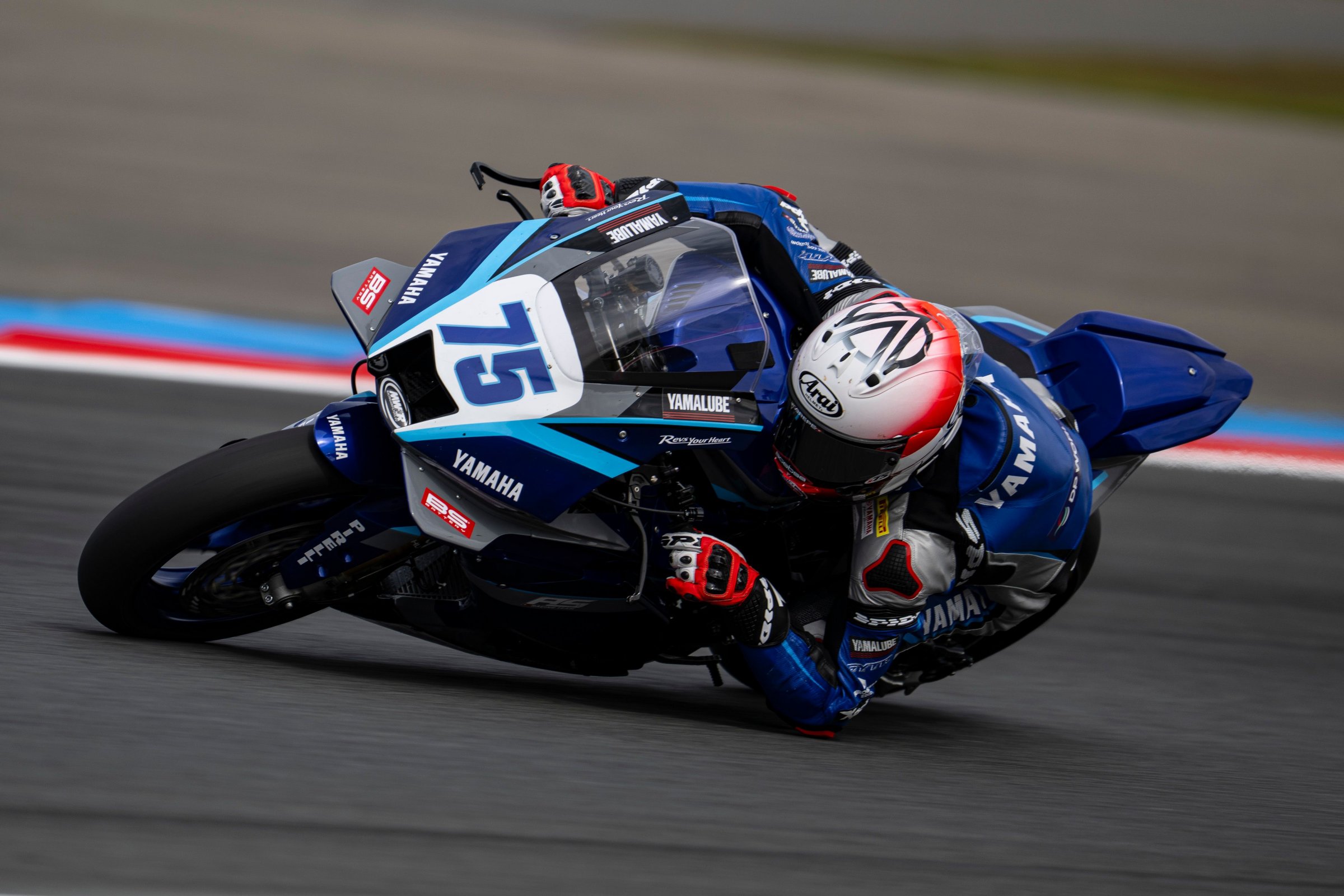
2026 is your first year in the WorldSBK paddock, after many years in the MotoGP one. But before getting there, let’s go back to the beginning of your career. How did it all start?
At the beginning, I was doing motocross and I did that from the age of six to nine. Then a team manager who was involved in a Junior Cup in Spain, and now works with the Bimota WorldSBK team, invited me to try a bike. I did that test, it went well, and the RACC gave me a scholarship to do my first season in circuit racing.
From there, a very important journey began and even though I reached the world championship a bit later than others (he was already 20 when he did his first full season in the Moto3 World Championship, ed), I still managed to achieve great results. In fact, I got there being more mature than other riders. Those years in the MotoGP paddock were incredible, especially the ones with the Aspar Team.
Any particular memory from your seasons in the CEV Moto3?
The best moments were starting to train with MotoGP riders, beginning to win races in the CEV, and feeling closer and closer to the world championship, until I finally made it.
And what memories do you have of your first full season in the Moto3 World Championship, back in 2017?
Unfortunately it wasn’t my best year, because I struggled a bit with the Mahindra and got injured twice. It definitely wasn’t the start I had hoped of, but just being there was already a dream, and it's normal that your first season on the world stage is difficult. Then in 2018, as soon as we switched to KTM, I took my first world championship victory after three races. And yes, that's a beautiful memory.
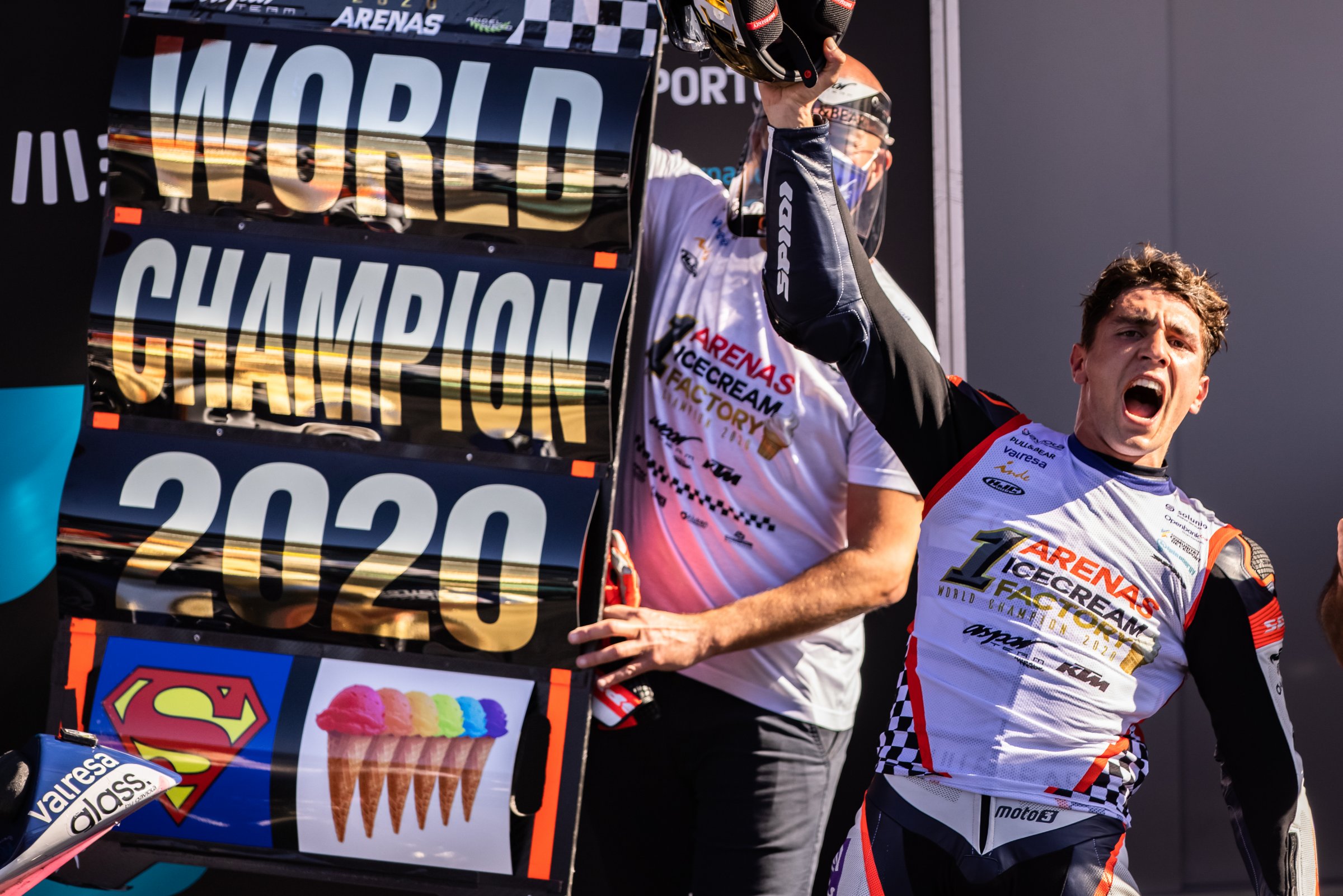
From there, you kept improving steadily until becoming Moto3 World Champion in 2020, in a particular year due to the COVID-19 pandemic. How did you "build" that successful campaign?
Everything started from a test I did towards the end of 2019, with KTM. It was a private test, without my team, and there I found that missing “click” in terms of speed. They gave me one of their bikes, we tried some things, and I was immediately very fast. From that moment, I really started to believe in it and in the following races I won in Thailand, finished second in Japan, almost won again in Australia, and fought for the podium in Malaysia. That’s when I understood I was ready to win and in 2020, I immediately started with a win in Qatar.
I probably could have won even more races, if the championship had taken place normally without the interruption caused by the COVID-19 pandemic. But it was still a very good year. The best memory from that time, beyond the fact itself of winning the title, is linked to the people I worked with: Mauri (Soli, ed), Paolo (Mancin, ed), Giancarlo (Domenichini, ed) and the rest of the crew. Now they work with David Alonso in Moto2 and they are doing great things there as well. It was wonderful to work with them.
You then moved to Moto2, still with the Aspar Team, but you had various difficulties.
At the first test with the Moto2 bike, after winning the Moto3 title, I was immediately very fast and the quickest among the rookies. Along with me, Raúl Fernández, Ai Ogura, Tony Arbolino and Barry Baltus had also moved up to Moto2, and in that test I was faster than they were. Then I went to the Valencia test, the first of 2021, and I had two bad crashes, which quite affected my confidence. The season was very difficult apart from a few good races, and we were also using the Speed Up machine, which wasn’t bad but still not the best.
In 2022, we switched to Kalex and from that point things went much better. I almost won at Assen, I had many front row starts, and I finished several races in fourth place. However, I was still missing that “click” to make the final step. I thought I would find it by moving to the Red Bull KTM Ajo team in 2023, but it didn’t go to plan...
Why?
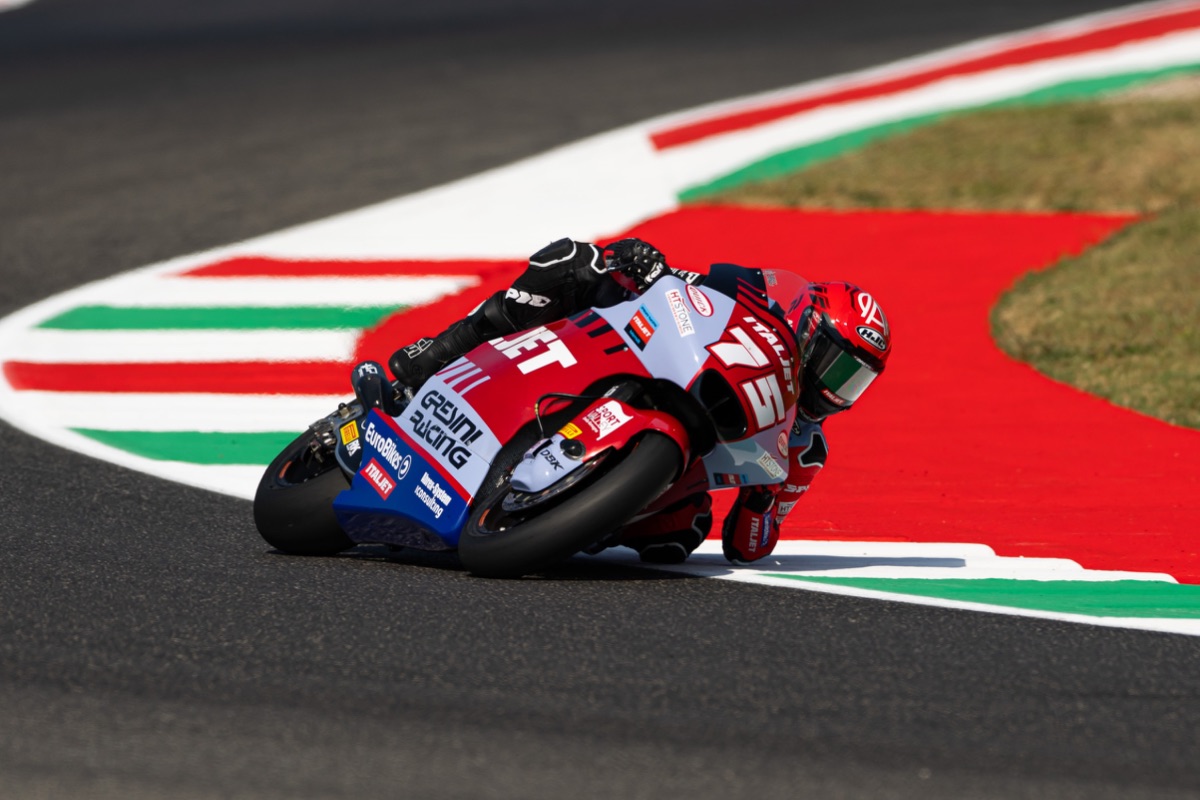
Up until midseason, when I got on the podium in Barcelona, it seemed like I had found the speed to stay at the front consistently. However, I got injured shortly after in Misano (he suffered a left shoulder dislocated, ed), and that injury slowed me down significantly in the final races. At the end of the year I had a surgery, and then I moved to the Gresini Racing for the 2024 season. Unfortunately the year was difficult: we were strong in the qualifying sessions and had a few good races, but something was always missing.
Then came 2025, your best year in Moto2.
Yes. It was my best year in the category because, besides staying with the same team, I also found some stability with my crew chief. In Moto2, as we know, the gaps are very small and the combination of rider, bike and team always has to be 100% ready, or at least be between 90 and 100%. I feel like we were almost never there. When I was strong, something happened. When everything worked fine, something could be missing on my side. Still, it’s true that I felt very strong many times, like when we fought for the win and finished second in Mugello. Then we finished many races in 4th or 5th place. Something was missing, but that’s how it went.
How did you deal with the fact that you couldn’t fight for victories in Moto2, like you did in Moto3?
In the first two years, especially the first one, as a rookie you just want to win and that can cause many mistakes and crashes. When you want to win, you focus only on speed, but that’s not really how it works. This especially applies on a class like Moto2, where everyone is fast and you also have to pay attention to the smallest details.
And how did you deal with being left out of Moto2, despite coming from your best season in that class?
To be honest, it was my own decision. There was a moment during the season when I could have signed with a team to stay in Moto2, plus another option that came at the end of the year. But after being with some of the best teams in the championship like Aspar, Ajo and Gresini, I told myself I would only stay in Moto2 if I could do another season with Gresini and with the same crew chief. In five years in Moto2, I had five different crew chiefs. That makes it really difficult to perform well, because it’s like starting from scratch every time.
When you go to races with people you’ve already worked with in previous years, it’s easier to build the race weekend right from the start, because they know exactly what you need. You get things sorted on Friday, make a step on Saturday, and on Sunday you are ready for the race. In 2025, having a different crew chief compared to the previous year, we often found the solution when the Grand Prix was already over. I thought that, by staying one more year with Gresini and the same crew chief, I would definitely do better, also because I feel physically very strong and even in the best moment of my career.
As soon as I realized I couldn’t stay with Gresini, I said goodbye and left.
In the end, though, you are in the Supersport World Championship as a Yamaha supported rider. And you have returned to the WorldSBK paddock, where you had already been once back in 2013...
Yes, when I did a wildcard in the European Junior Cup (a Honda one-make series that raced besides the Superbike World Championship at some European rounds, ed) at MotorLand Aragón. In 2013 we had a good relationship with Honda España, and they told my father that there was a chance to do a wildcard there. My father asked me if I wanted to go and I said yes. It was a very different bike compared to Moto3, but I took pole position and finished second in the race, so it went pretty well.
Now that you are in the WorldSBK paddock, do you want to spend the rest of your career here? Or do you still consider returning to the MotoGP paddock?
The goal is to be ready, train and have the opportunity to grow and move up a category, which is exactly what I have here now. That motivates me to always give my best. However, if I reached Superbike and had the chance to do tests or wildcards in MotoGP, as has already happened to Álvaro Bautista and other riders, of course I would not say no. I would like to build a growth path in the WorldSBK paddock and if I were offered the chance to test or even develop a MotoGP bike (like Nicolò Bulega with Ducati, ed), I would obviously take it. Anyway, it's still early for such considerations. Right now I am focused on adapting as quickly as possible and performing well here, then we'll see.
And how do you like the Superbike paddock, compared to the MotoGP one?
I cannot say much, because I am very focused on practice sessions and races. I come to the circuit, do what I have to do and go back to the hotel. It is certainly very nice to see so many people in the paddock and under the podium and to feel their support. But when I am at the track ,I am more focused on what I need to do.
In conclusion, Albert, the "Thank You Moment". Who would you like to thank for everything you have experienced so far, and you will hopefully experience in the coming years?
First of all, I thank my family: if I am here, it's thanks to them and because they invested in my career when I was a kid. Of course I also thank the people who have been by my side, but above all I am grateful to my family. I also thank the Aspar Team for bringing me into the Moto3 World Championship and helping me become a world champion, I thank KTM for letting me live the dream of being one of their factory riders, and I thank Nadia Padovani for opening the doors of the Gresini Racing team for two years. Finally, I thank Yamaha, which believed in my professionalism and potential for this project, and the AS Racing Team.
Palmen in Motorradsport thanks Albert Arenas for his availability, and Xavi Arenas and the AS bLU cRU Racing WorldSSP Team for making this interview possible. Sending best wishes to both the rider and the team for the upcoming races and seasons.