Xabi Zurutuza's rebirth on the Moto2: "My goal? To be in the World Championship in 2027"
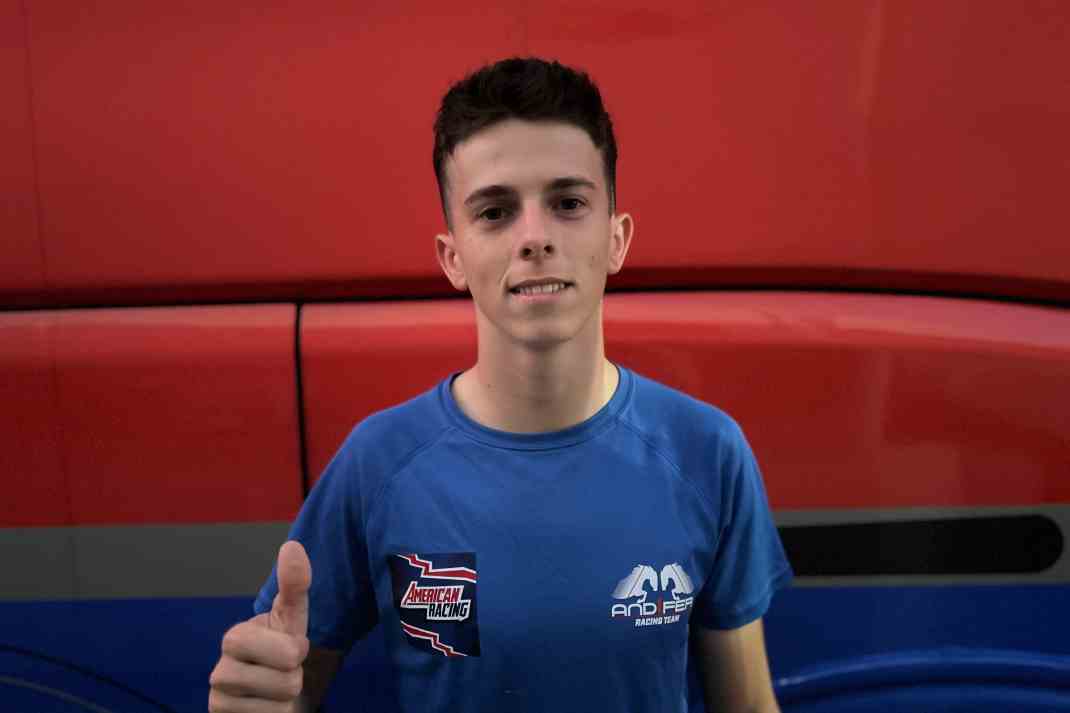
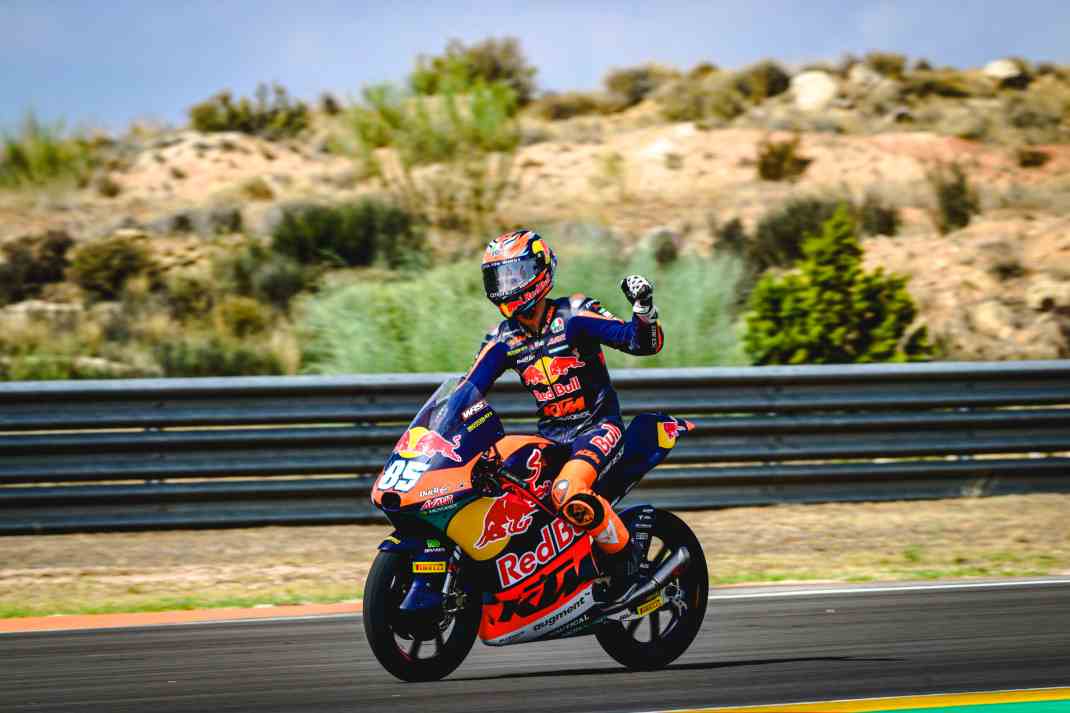
In 2024, Xabi Zurutuza faced his first season in the Moto3 World Championship with the Red Bull KTM Ajo team, hoping to replicate or come close to the excellent results he had achieved the previous year in the JuniorGP with the MTA team, which included two victories.
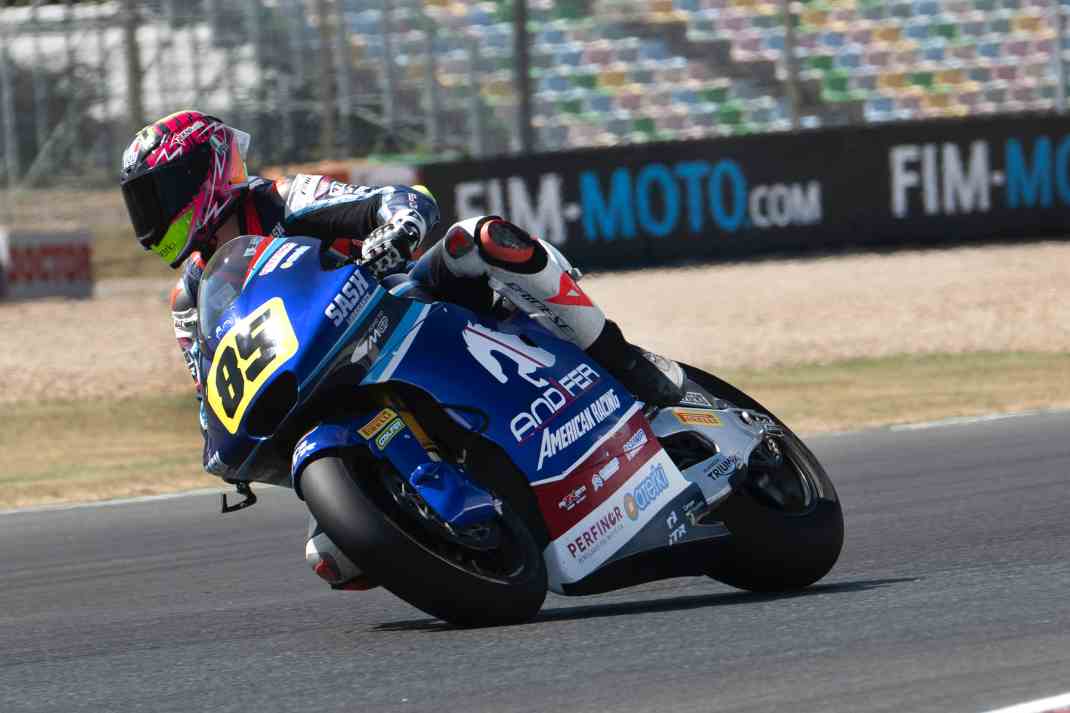
However, things went much worse than expected: Zurutuza struggled throughout the season and managed only three points finishes, with an eighth place at Motorland Aragon as his best result. This happened despite racing with a top team in the championship, with which the right connection never really developed. After that disappointment, Zurutuza, born in 2006 in Legazpi, decided to restart his career in 2025 in the Moto2 European Championship with the Andifer American Racing Team, under the guidance experienced manager Ricard Jové. So far, the results have been positive: at the time of this article’s publication, the Spanish rider has three podium finishes (two third places at Magny-Cours and a second place at Misano), is fifth in the standings, and is the best rookie, even though this is his first season in Moto2.
It is a good comeback for Zurutuza, who proudly represents the Basque Country alongside other riders like Beñat Fernández and Iñigo Iglesias.
Palmen in Motorradsport had the chance to interview Xabi Zurutuza to talk about the 2025 season, the difficulties he faced in the Moto3 World Championship, and his career. He also shared a few memories of Hugo Millán and Borja Gómez, riders who passed away in recent years and of whom he was a close friend.
Xabi, how is the 2025 season going?
It’s going really well, honestly. After the very tough year I had in the Moto3 World Championship, I needed a big change for my career. I really enjoy the bike, the people around me and working with the team. It was an important change, but everything is going really well.
What's your goal for this season?
To keep improving, avoid crashes, and simply gain more confidence and get on the podium.
How was the transition to Moto2? Did it shock you?
No, actually it was the opposite. I spent the entire winter training on a Yamaha R1, and when I got on the Moto2 bike in Almería I thought, “Wow, I expected it to be faster!”
As you said, this change is positive for you after the struggles you had in 2024. Why didn’t it work out in the world championship?
Where I am now, I feel appreciated and people listen to me. In 2024 it was the complete opposite: I couldn’t find any connection with the team. As everyone knows, a rider needs a year to adapt in the world championship, but in the end everything went wrong. I couldn’t work well with my technicians and never got what I needed. The level in the world championship is extremely high, and if you’re not in the same conditions as the others, you can’t get the results you deserve. And that’s what happened to me.
You won races and podiums in the JuniorGP, but then in the World Championship you were far behind, even compared to riders you used to beat in JuniorGP. How did you deal with that?
It was very frustrating. It was my rookie year, yes, but we all know that if you arrive well-prepared and have the right bike and team, you can win and get many podiums, like Máximo Quiles and Valentín Perrone are doing now, and David Alonso and Pedro Acosta did in the past. It was a very tough year for me, probably the hardest of my career. Having raced for a long time with many of them, from the European Talent Cup to Moto3 in JuniorGP, I had won several races, achieved many podiums, and beaten many of the riders who went to the World Championship in the same year as me. Getting there and not even being able to get close to the front was impossible to accept.
And what gave you the motivation to continue?
I’ve always believed in myself. I know how hard I’ve trained and how many sacrifices I’ve made. Those were difficult times, but then Ricard Jové offered me this project. I didn’t want to stay in Moto3 anymore, with any team, and even though I was taking a bit of a gamble, I accepted the challenge. I knew that with Ricard being involved, it would surely work.
What's the main piece of advice you have got from Ricard Jové?
To be patient, because Moto2 is a tough category. He told me to take it step by step, have fun, enjoy riding again and take it race by race.
Looking back at your JuniorGP years with MTA Team, what do you remember most?
The first year was tough, because I couldn’t find the right feeling with the team. But in 2023 everything changed. Even though I was still in the same team, the entire technical staff changed, and I ended up working with people who really believed in me and whom I trusted completely. It was a great year, even if we had some bad luck with crashes. Every time I meet Alessandro Tonucci (team owner and former World Championship rider, ed), we talk about what a great season it was for us.
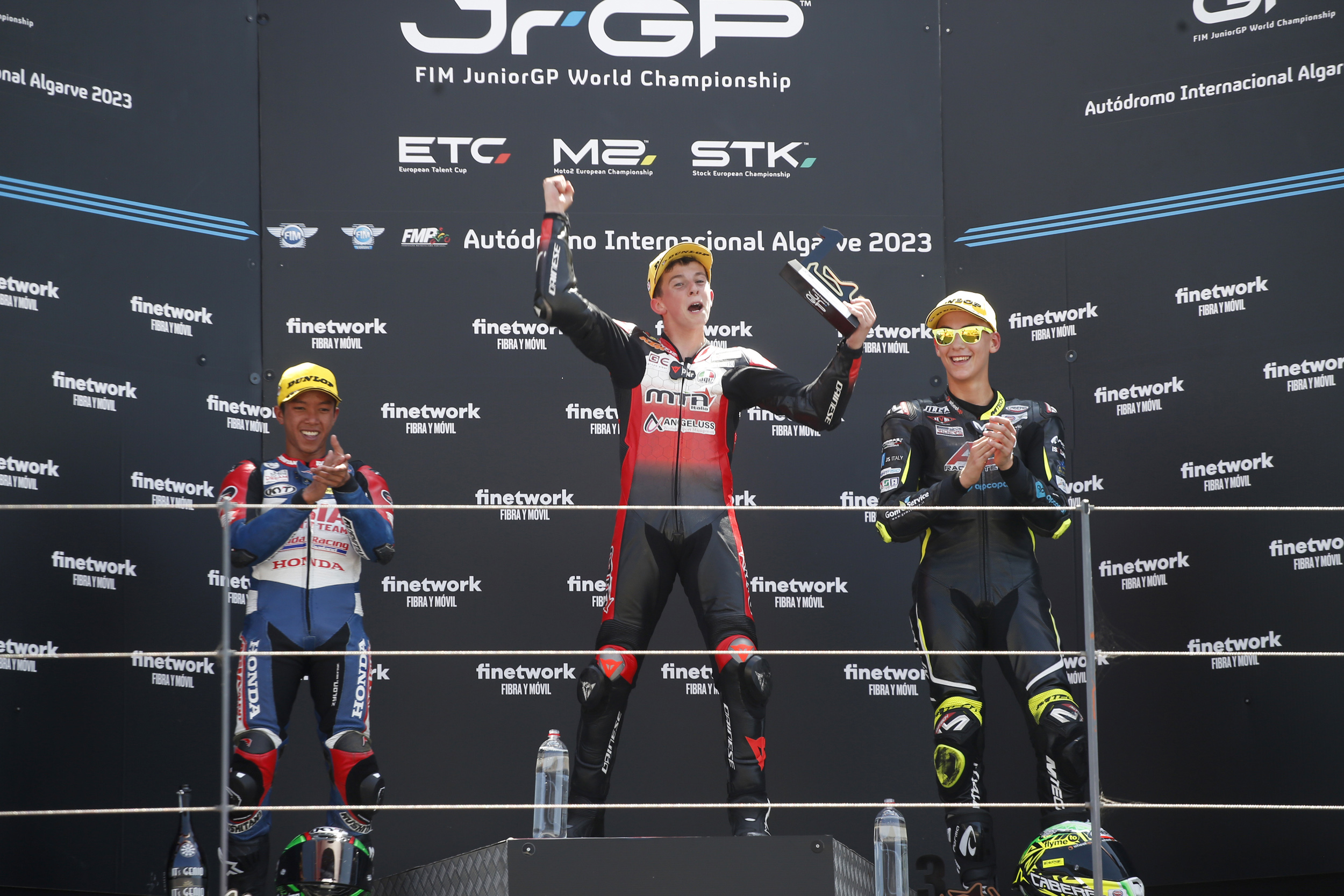
We finished sixth in the championship, but that was because of three DNFs: one crash was my fault and two were caused by other riders taking me out. But we won two races, and one of them was at Portimão, where I won despite starting last and even having to serve Long Lap penalties. Every time I speak with Massimo Capanna (an experienced technician now working with the SeventyTwo Artbox team, ed), he always says it’s one of the victories he’ll remember forever.
What do you remember from that race?
I remember that on Saturday, when I got the penalty, it was a tough moment for the team. They were very sad because we had done a great job, finishing second or third in every practice session, and we felt like our effort ended into the rubbish. But that evening I told them: “Don’t worry, tomorrow I’ll win".They didn’t believe me, and I repeated it, asking them not to say anything and just trust me. And in the end, yeah...
The bike was perfect, I was riding one second faster than the group ahead, and I managed to catch them. In the last corner I was already third, and when I saw Luca Lunetta and Tatchakorn Buasri in front of me, I said to myself: “Yes, I’m going to win”. And that’s what happened. Even today, when I see Luca, we remember that as one of our best races.
Let’s take a step back. Can you summarize your journey in motorcycle racing?
I started riding when I was two and a half years old. I joined Chicho Lorenzo’s school in Navarra and then began racing minibikes in the Liga Interescuelas. In 2016 I moved to Supermotard, and it went very well: I finished third, and the following year I became Spanish champion. In 2019 and 2020 I was Spanish Champion twice in the 250 Supermotard class, and in 2020 I also finished third in the Spanish ESBK PreMoto3 Championship. Then in 2021 I moved to the European Talent Cup, where I had another great year with excellent results. I achieved podiums and wins with an exceptional team, which was Cuna de Campeones.
It’s a shame that Cuna de Campeones no longer exists.
Every time I see Julián Miralles (team owner and head of the championship having the same name, ed), we hug each other. It was a real family: with fewer resources, they achieved so much. Now Julián helps riders like Jaume Masiá and Jorge Navarro, but the team itself no longer exists since two years ago, and that’s really sad.
Is there a race, besides the one in Portimão from 2023, that you consider particularly special?
When in 2021 I won my first European Talent Cup race at Montmeló, and also the one at Portimão in the same category. Those are victories you never forget. It was a very competitive class, with a high level and riders who had been there for several years. I was a rookie with few expectations, but I still managed to win races and have a great season.
What is it like to be one of the few Basque riders competing at a high level?
This is a very demanding and expensive sport. Besides talent, you need luck to find sponsors who will support you, because at a certain point the costs are extremely high for a normal family. There are very few of us: there’s also Beñat Fernández, who is doing very well, but only a few others (such as Iñigo Iglesias, ed). It’s an honour to be one of the few Basque riders to have reached the World Championship.
What are your goals for the future?
To keep growing in Moto2 in the JuniorGP. The goal is to reach the World Championship by 2027 and eventually make it to MotoGP.
What do you mainly do off the track, when there are no races?
I spend most of my time in Murcia at the Pakosta Riders school. I basically live there now, along with other riders. I cycle a lot during the week and train on the bike almost every day. When I’m really tired, I go home to spend some time with my family, my siblings and my parents, to take a break.
Do you have any other passion outside of motorcycling?
No.
Who is your favorite rider?
Marc Márquez. I haven’t spoken with him much, but after the bad crash I had at Mugello in 2024 (when he went down and was hit by another rider, ed), we met again in Alcarrás, where he was doing flat track and I was training in supermotard, and he asked how I was doing. He’s a great person, and I really like him as a rider. He’s an eight-time world champion and at the same time a man of great human value. Maverick Viñales was also there and asked how I was, and I really appreciated that. They’re truly good people: rivals and riders with great CV on track, but ordinary people outside of racing.
Do you have a quote that inspires you in your career and in life?
Every sacrifice has its reward.
In 2021 you were teammates with Hugo Millán and started racing in the ETC with Pau Alsina. Do you have a special memory of them?
Every time I see the number 44, I think of him. He was one of my first teammates in speed racing, and I have fond memories of him in the garage. About Pau, I don't have any particular memory: we joined the European Talent Cup in the same year, but we did not talk much.
And of Borja Gómez?
Many memories. We often trained together and were always joking around. I remember we used to tell other riders as a joke that training was at 8 a.m. the next day, when it was actually at 11, just to see if anyone would fall for it. Of course, we eventually told them the truth, but it was fun playing those little pranks with him.
Finally, Xabi, is there anyone you’d like to thank for everything you’ve experienced and are experiencing?
My team, which is making a huge effort to keep this project going, even though it’s not easy. We’ll give our best to achieve the best possible results. A big thank you also to my family, who follow and support me 100%.
Palmen in Motorradsport thanks Xabi Zurutuza for his time and Ricard Jové and Andifer American Racing Team for making the interview possible. Best wishes to both rider and team for the next races and seasons.